
How Parents and Teachers Together Shape a Child's Growth


How Parents and Teachers Together Shape a Child's Growth
A
child’s growth in the early years matters most, as it lays the foundation for
their future life. Parent-teacher collaboration is the most important
thing in a child’s development. It’s not just the school’s responsibility to
take care of your child in every manner. Good parenting and home discipline are
what shape them simultaneously. As we all know, a kid's first schooling always
starts at home. Parental involvement in education or preparing the child
for preparatory school is the first and most important step to be taken.
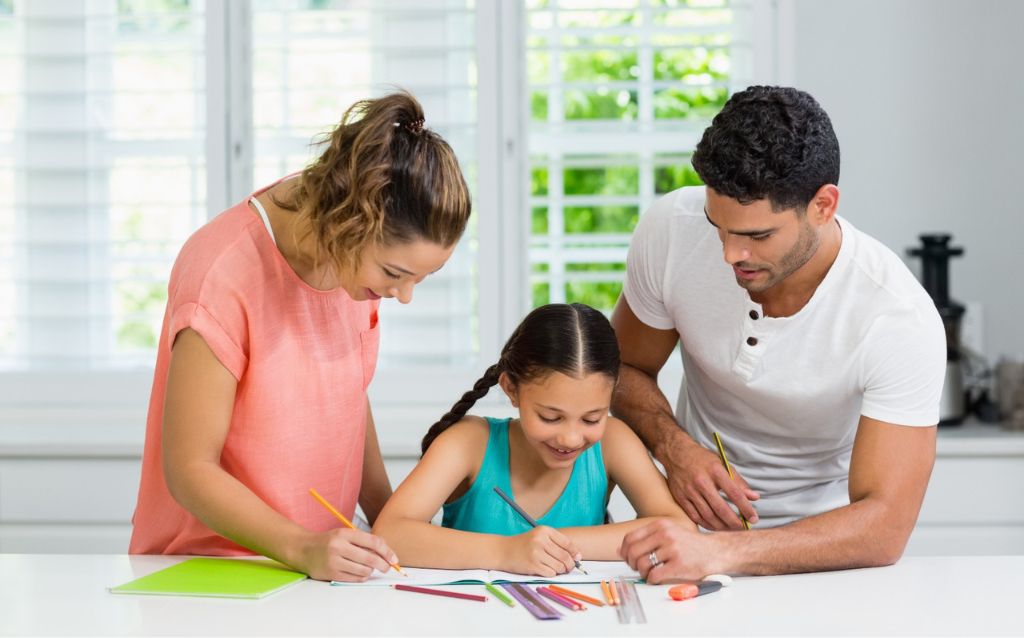
A child's growth is a bit complex. It's a shared journey when teachers and
parents collaborate to give a child emotional, social, and academic support.
Many reports on parent-teacher collaboration for a child show that this
partnership leads to better attendance, higher achievement, and great
motivation in young minds.
Building positive habits at home, play-based learning, and early brain development through kindergarten are all important areas that are enhanced by this partnership. Together, we give each kid a stable, nurturing environment.
Why is
Parent-Teacher Partnership Important?

This collaboration has multiple real-life advantages that not only help kids find their rhythm but also build lifelong discipline.
1. The Child's Consistency: If a child sees the same rules and expectations consistently in home and school, it reduces confusion and makes them more prepared & constant.
2. Early Problem Identification: With the help of the school and home learning environment, the teacher-parent can detect the child's concern early and sort it out mutually.
3. Comprehensive Development: Parents bring home insights, where teachers offer them a classroom experience that leads to holistic development.
4. Increased Motivation: One of the most important things in parent-teacher collaboration is that it boosts children's confidence. Their support and guidance foster a positive attitude toward learning.
Ways to Build Strong Partnerships

Regular Communication: Stay connected through parent-teacher communication apps, messages, or calls. Share positives first to build trust.
Parent-Teacher Meetings: Come prepared with questions on progress, behaviour, and how learning can be supported at home.
Shared Goal-Setting: Work together on simple goals like improving focus, habits, and values through routine and discipline.
Parent Involvement: Take part in school events, reading sessions, classroom presentations or cultural programmes to better understand your child’s learning environment.
Workshops & Resources: Join school sessions to learn about topics such as screen time and different learning stages.
Positive Feedback Loop: Celebrate small wins together and share updates to encourage good habits early on.
Encouraging
Preschool Parent Involvement

A real collaboration between parents and school gets built through
a steady connection, not just once in a while. It doesn't have to be huge
gestures or a constant. Sometimes it’s the small, thoughtful moments that
really matter- like regular updates, a quick conversation, or even just
checking in with teachers now and then. Those little things go a long way
toward strengthening that bond. When parents ask for guidance on supporting
reading at home or join in with occasional classroom activities, it shows a sincere
involvement in a child’s early learning journey.
These are the core of parent engagement strategies, as when parents
actively engage, children tend to notice right away that their education is
valued. That kind of shared involvement helps grow confidence, comfort, and
motivation inside them. Over time, learning starts to feel less like a duty and
more like a shared route, you know, where teachers, parents, and children keep
moving forward together, shaping not only academic progress but also a lifelong
affection for learning.
Conclusion
Shared and collaborative education in the early years is important and a big responsibility. This is the time when a child builds trust and learns to communicate. Collaborative education can only be achieved through continuous efforts of parents and teachers. When these relationships are fostered, kids learn that learning is cooperative rather than competitive.
We at Blue Bells
Preparatory School offer holistic development to the children
and nurture them with home-like care. On a collaborative education thing, we
firmly believe that a child can grow better when given attention from both
sides. We keep focusing on open communication between parents and teachers,
making sure that every kid gets balanced guidance inside and outside the
classroom, too.


More Blogs
Are We Over-Scheduling Our Kids? The Case for a Slower Childhood
Your child asks this as you reach for the car keys, ready to leave for another class. Dance on Monday, swimming on Tuesday, and music on Wednesday. The calendar is full, the intentions are good, but a small question lingers: when does a child get the time to simply be a child?
Read More
Helicopter Parenting vs Independent Parenting: Finding the Right Balance
Imagine this - your child is trying to open a lunchbox, the clasp will not budge, and you already know exactly how to fix it. Your hand almost reaches out automatically, but what happens if you wait?
Read More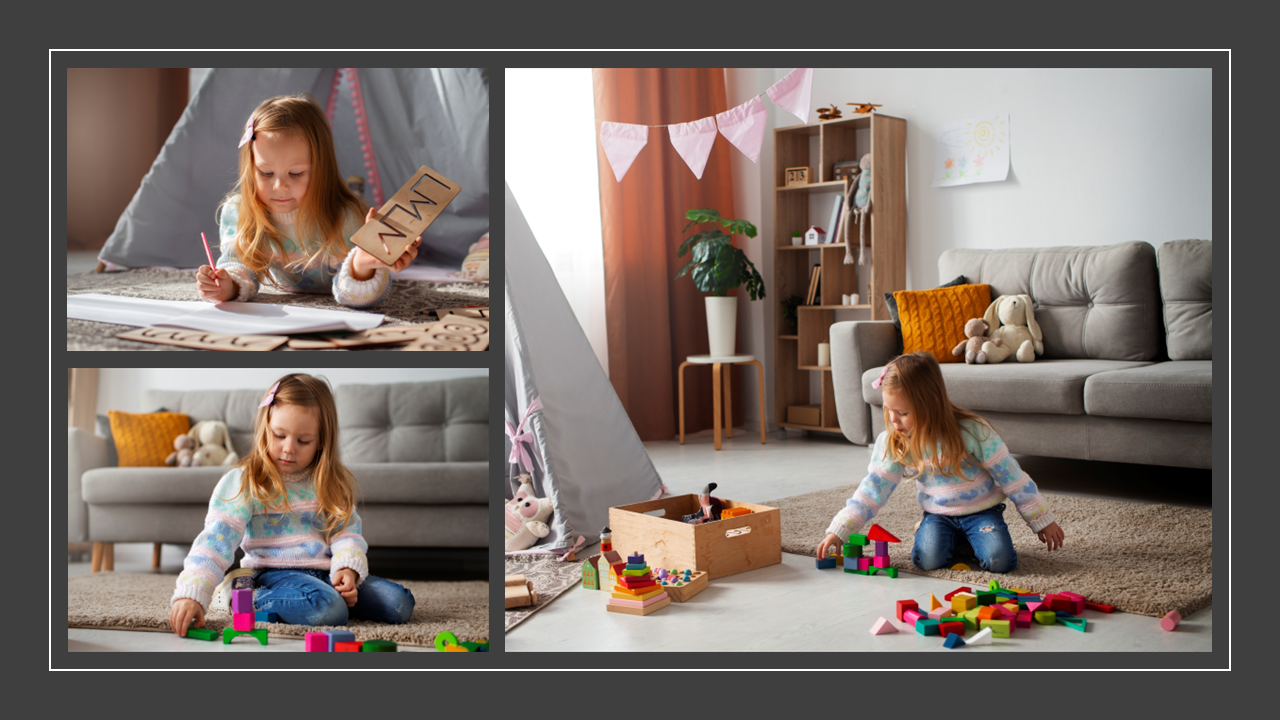
Boredom in children
Picture this: You have already brought out the crayons, found the puzzle, suggested the park, switched on a cartoon and possibly even offered the emergency snack. Yet your child is still standing in front of you, looking at you as though you personally invented boredom.
Read More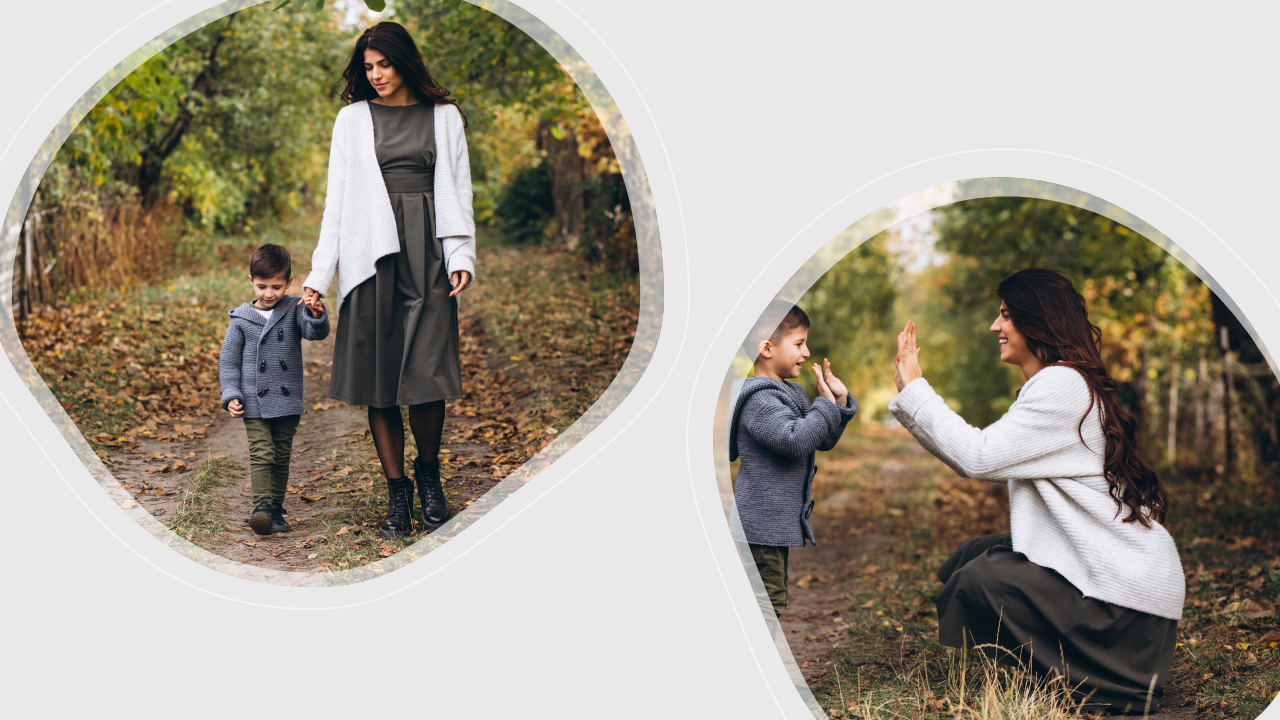
Positive Parenting
Your child sees a puddle, but you see muddy shoes, wet socks and the inevitable bath. And just like that, a perfectly ordinary afternoon becomes a tiny battle of wills.
Read More
Preschool readiness: Key signs your toddler is prepared
Preschool readiness doesn’t mean your kid is ready to learn academics, but it is the phase where they start showing some important signs. Signs include comfort with separation, attention, minor self-help, and more.
Read More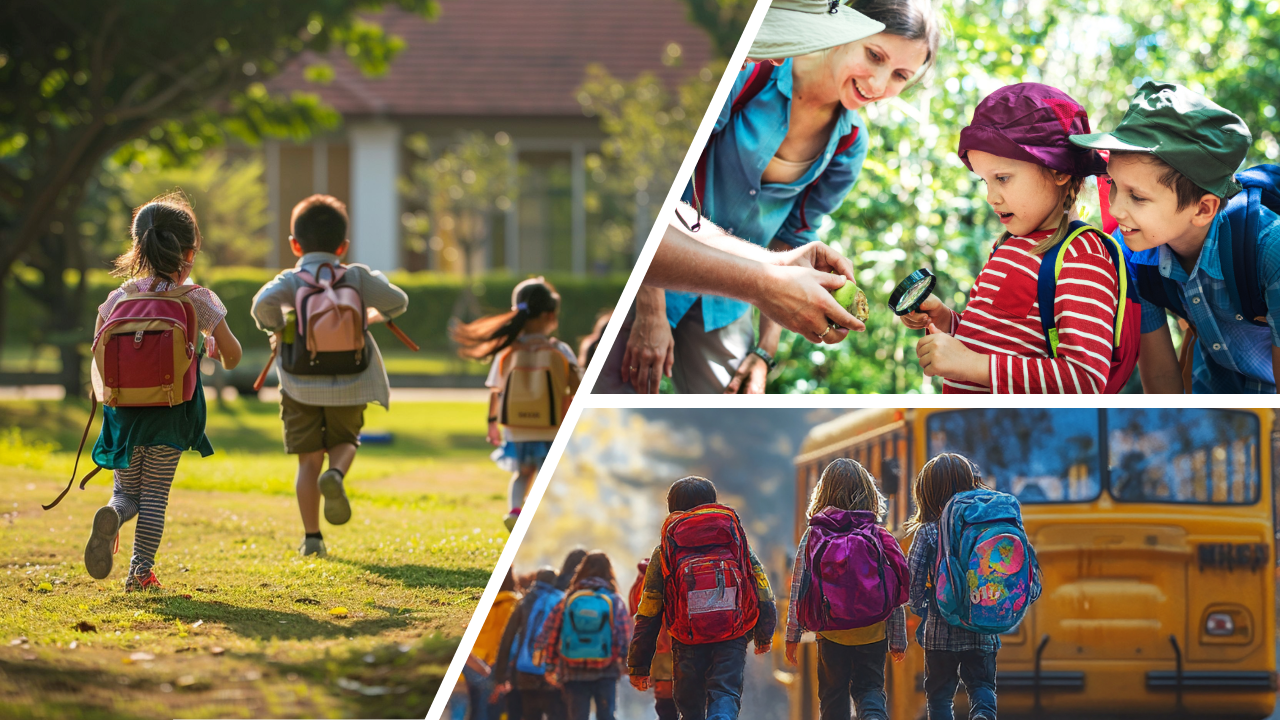
Beyond the Classroom: Why Field Trips Matter So Much
Every child is curious in their own ways. They learn by observing, asking questions, exploring new places, and experiencing the world around them. While classrooms provide the foundation for learning, educational outings complement them with valuable life lessons.
Read More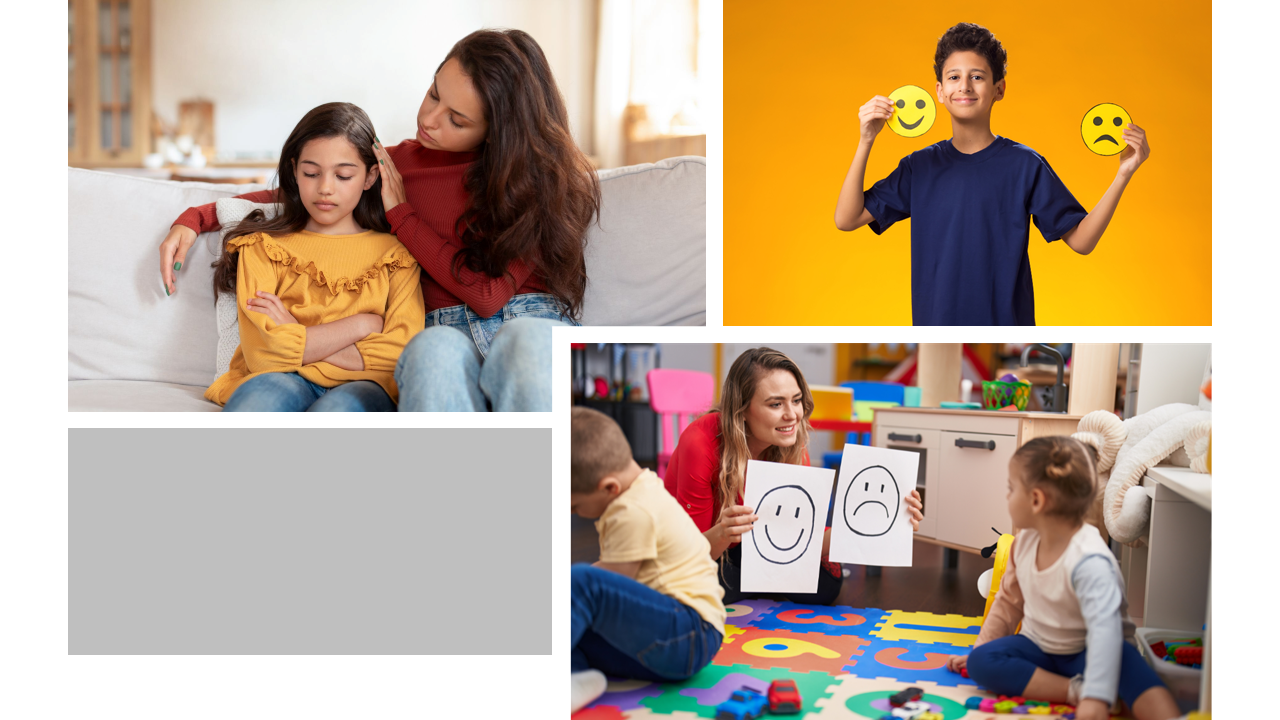
Emotional First Aid: Teaching Kids to Understand Their Feelings
Kids feel many emotional ups & downs. Kids are one of the innocent human creatures who have no masks, just real emotions. Since the preparatory age is the time when children learn rapidly and grow emotionally.
Read More