
Boredom in children


Boredom in Children: Why Being Bored Is Actually Good for Kids
Picture this: You have already brought out the crayons, found the puzzle, suggested the park, switched on a cartoon and possibly even offered the emergency snack. Yet your child is still standing in front of you, looking at you as though you personally invented boredom.
Before you reach for another activity, pause

What if being bored is not a problem to solve? What if it is an opportunity to discover?
For young children, unstructured time can create space for imagination, independent thinking and creativity. When there is nothing planned for them, they begin to decide what happens next.
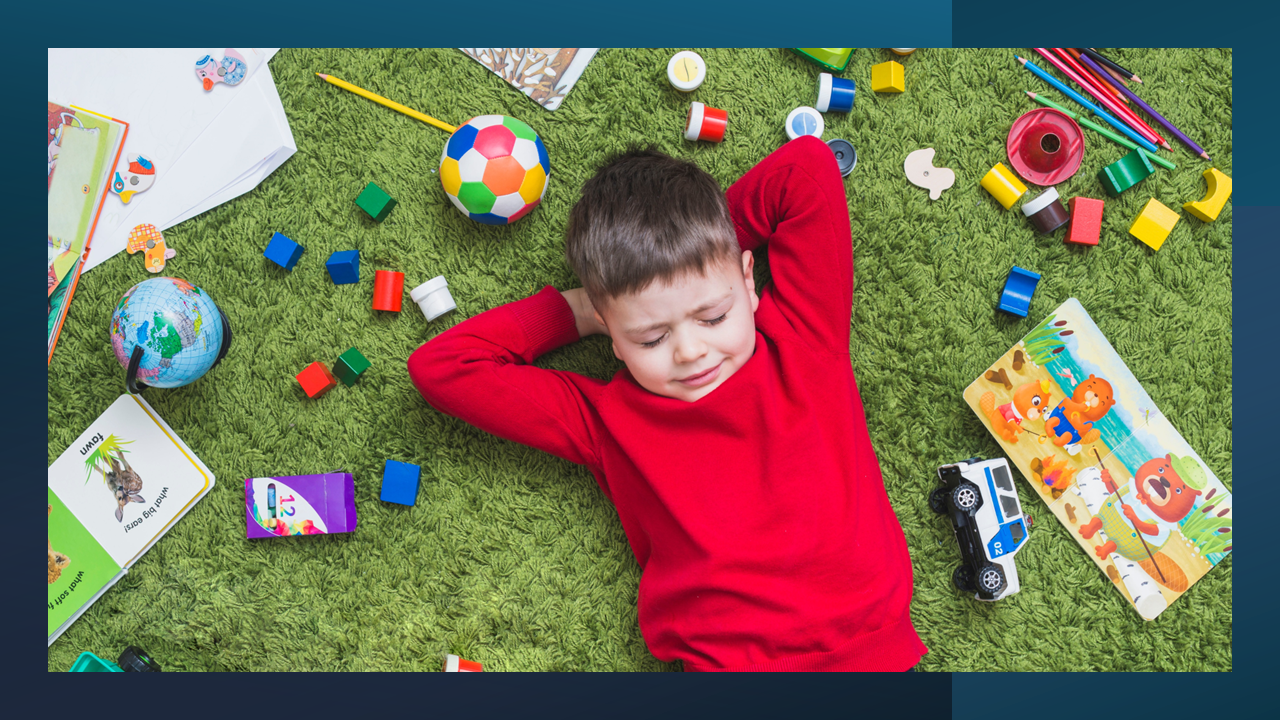
Give a child an empty cardboard box, and you may soon have a rocket, a shop, a castle or a rather questionable-looking robot. That is the beauty of boredom.
When children are not constantly entertained, they have to draw on their own ideas. They invent games, create stories, experiment and find different ways to use what is around them. In the process, they practise creativity, problem-solving and flexible thinking.
At Blue Bells Preparatory School, we believe children learn best when curiosity has room to lead. Our learning experiences encourage them to question, explore, communicate, analyse and make decisions rather than simply wait for answers.
When “Now What?” Becomes a Superpower
Boredom gives children an important little question: “What shall I do now?” And the answer doesn't always come from Mum or Dad.
Choosing what to play, deciding how to build something or inventing a new game gives children opportunities to exercise independence. They begin to understand their own interests and learn that they can create their own fun.
That shift from “Entertain me” to “I’ll find something to do” is a small but meaningful step towards growing independence.

Not Every Empty Minute Needs Filling
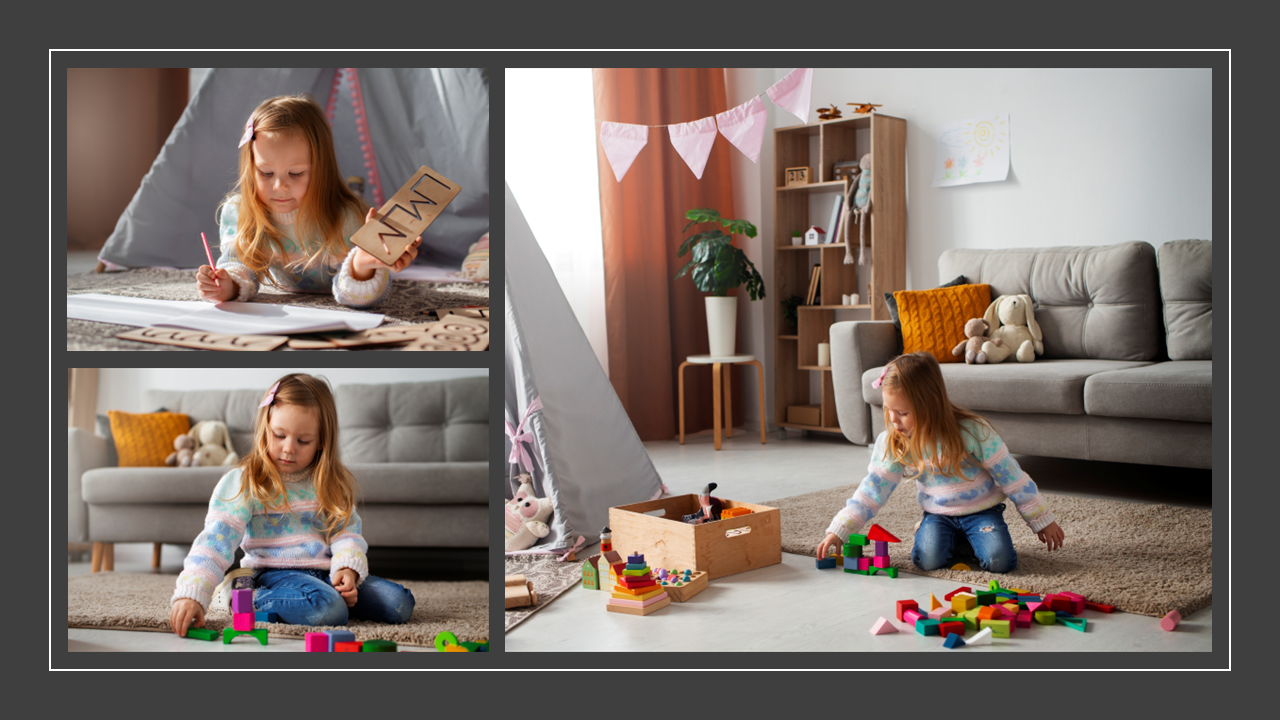
Modern childhood can sometimes become a beautifully organised timetable of school, classes, activities, playdates and screens. But children also need some unscheduled time. A quiet afternoon can invite drawing. A walk can become a treasure hunt. A pile of blocks can become a city.
Boredom can also help children practise patience and learn to sit with the occasional uncomfortable feeling of having nothing immediately exciting to do. They may grumble first. That is okay.
Let Imagination Take the Driving Seat
Parents naturally want to give their children enriching experiences. But sometimes, the richest experience is stepping back.
Try keeping an “I’m Bored” box filled with paper, crayons, blocks, puzzles or simple craft materials. Leave some time deliberately unplanned. When your child announces, “There’s nothing to do!”, resist becoming the family activity director.
Ask instead:
“What could you make?”
“What could you invent?”
“What would you like to explore?”
You may be surprised by what follows.

Conclusion
At Blue Bells Preparatory School, we see childhood as a journey of curiosity and discovery. Our approach gives children opportunities to express themselves, explore ideas and learn through experience.
Boredom can be part of that journey too because when we leave a little space in a child's day, we are not leaving them with nothing. We are giving them something valuable: the freedom to fill that space with their own ideas.
And sometimes, that is where the really interesting things start to happen!


More Blogs
Are We Over-Scheduling Our Kids? The Case for a Slower Childhood
Your child asks this as you reach for the car keys, ready to leave for another class. Dance on Monday, swimming on Tuesday, and music on Wednesday. The calendar is full, the intentions are good, but a small question lingers: when does a child get the time to simply be a child?
Read More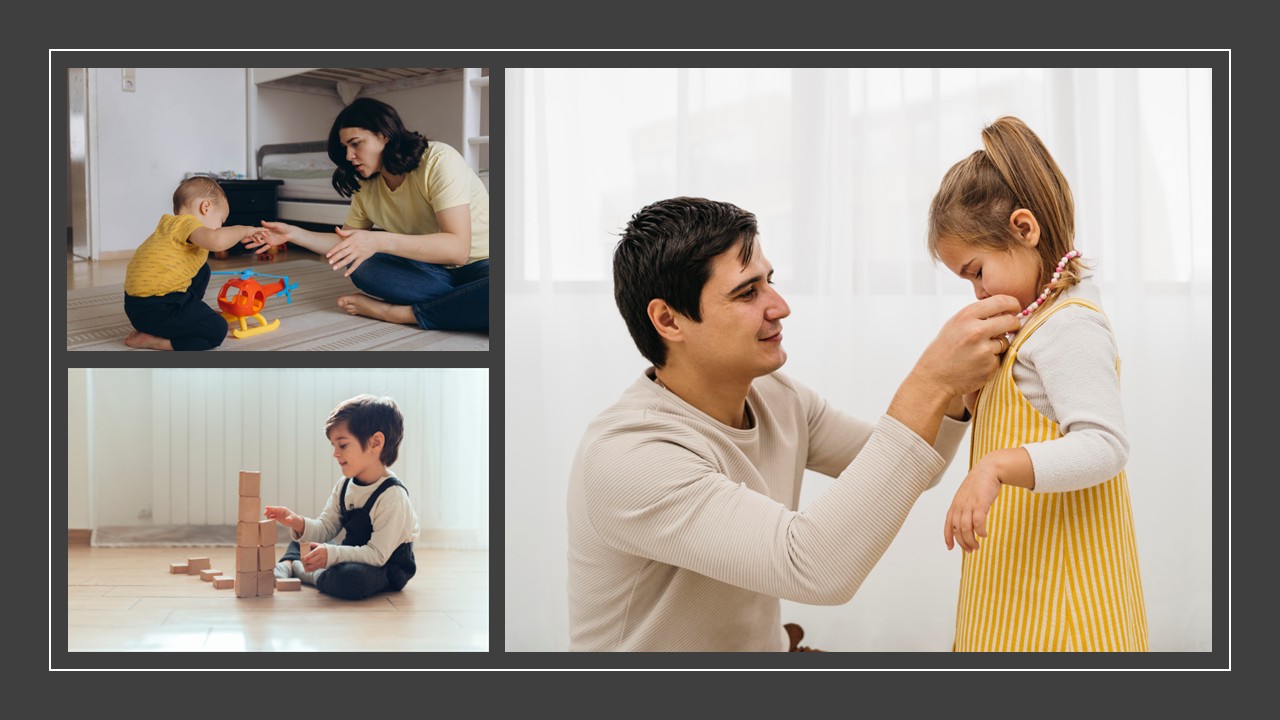
Helicopter Parenting vs Independent Parenting: Finding the Right Balance
Imagine this - your child is trying to open a lunchbox, the clasp will not budge, and you already know exactly how to fix it. Your hand almost reaches out automatically, but what happens if you wait?
Read More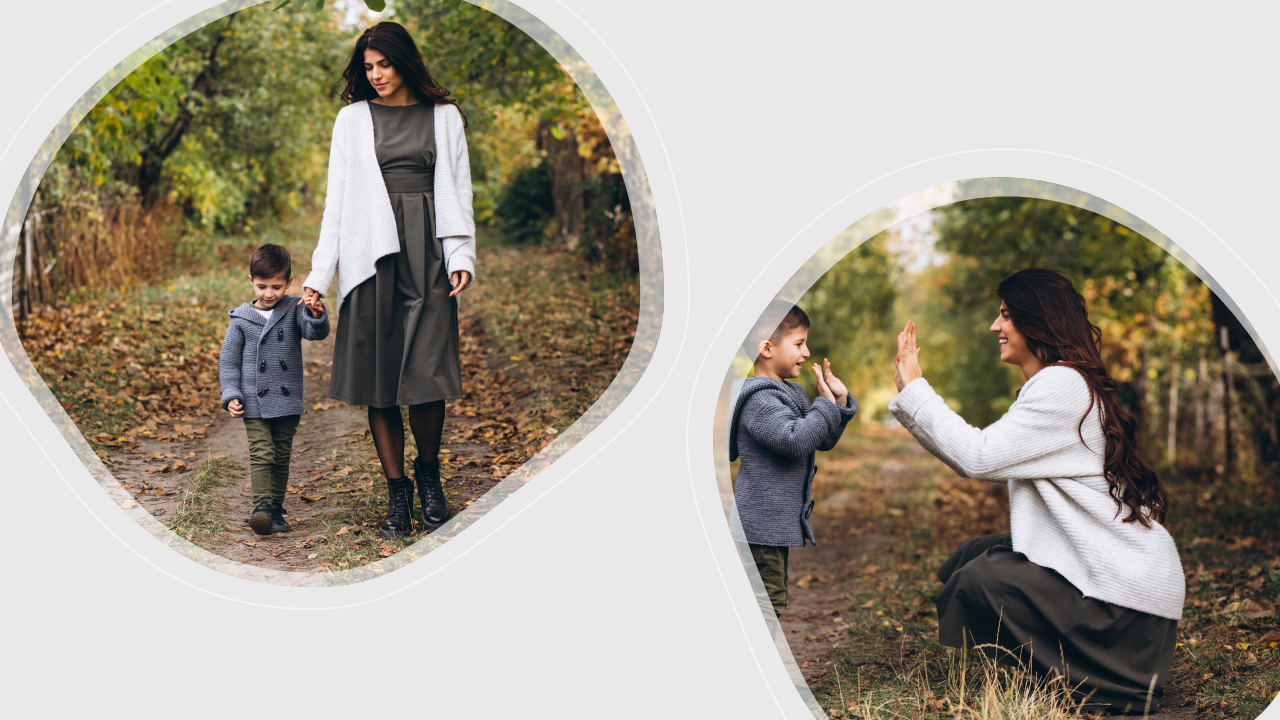
Positive Parenting
Your child sees a puddle, but you see muddy shoes, wet socks and the inevitable bath. And just like that, a perfectly ordinary afternoon becomes a tiny battle of wills.
Read More
Preschool readiness: Key signs your toddler is prepared
Preschool readiness doesn’t mean your kid is ready to learn academics, but it is the phase where they start showing some important signs. Signs include comfort with separation, attention, minor self-help, and more.
Read More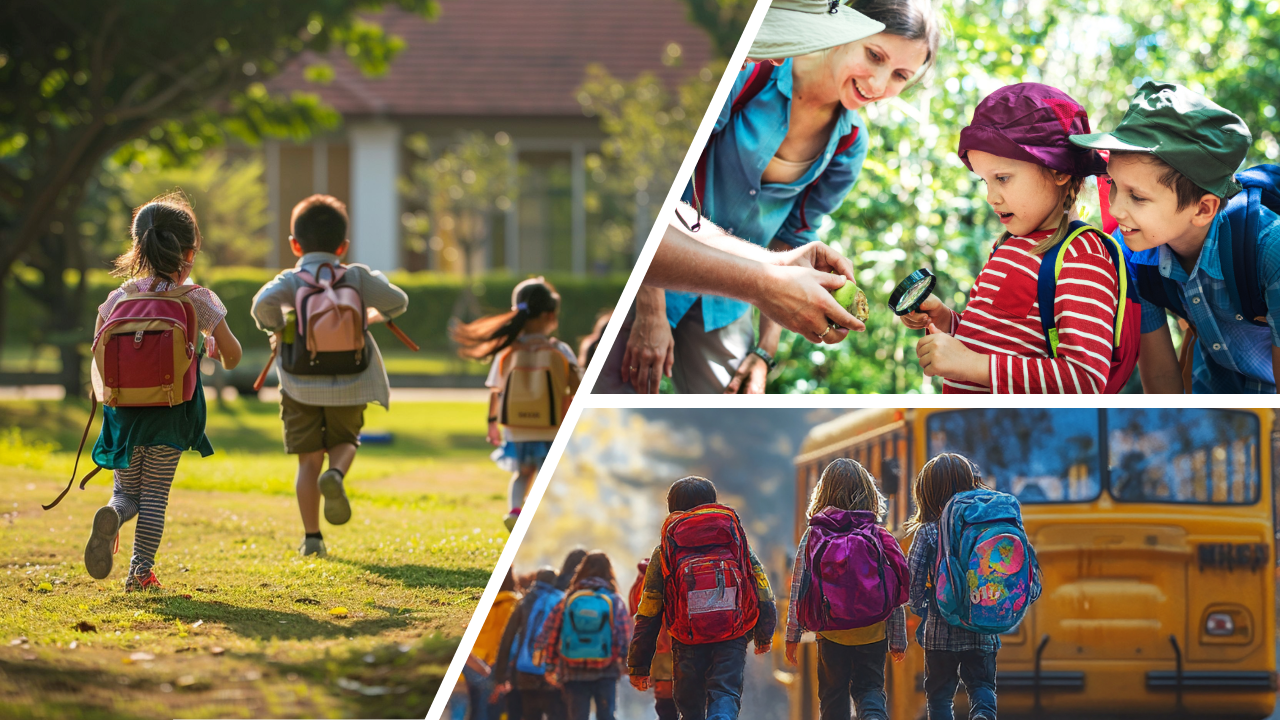
Beyond the Classroom: Why Field Trips Matter So Much
Every child is curious in their own ways. They learn by observing, asking questions, exploring new places, and experiencing the world around them. While classrooms provide the foundation for learning, educational outings complement them with valuable life lessons.
Read More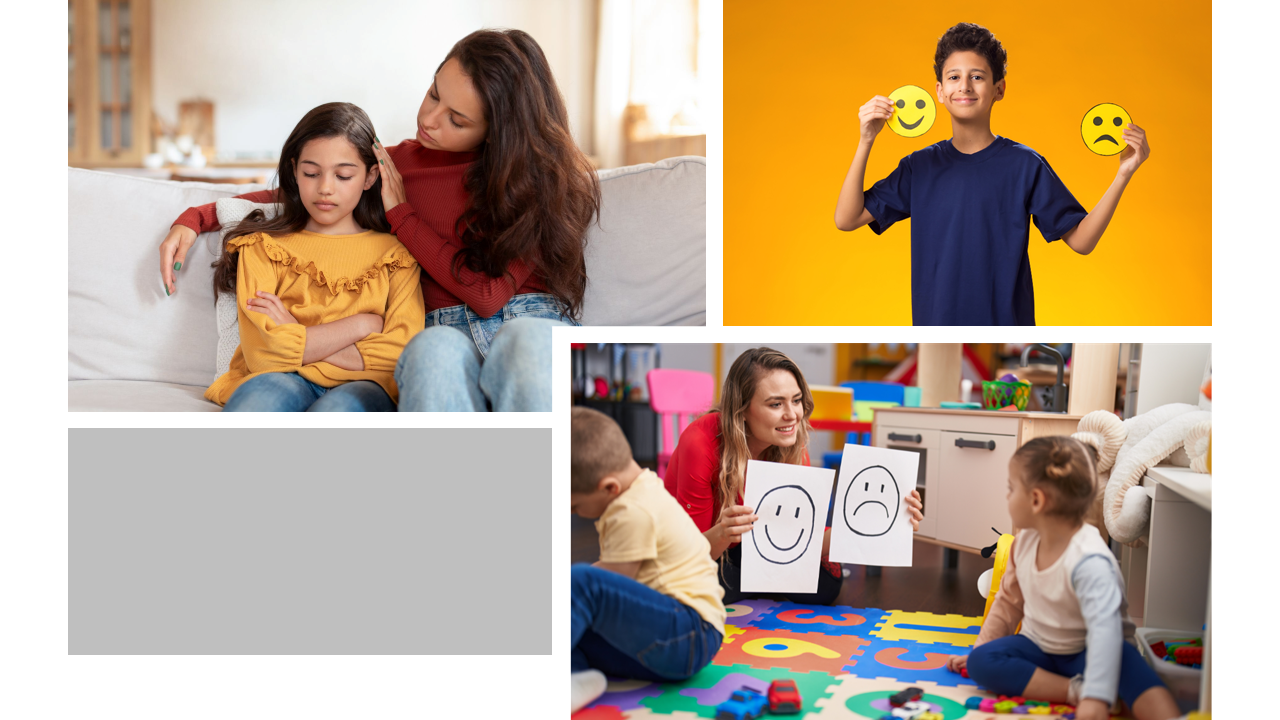
Emotional First Aid: Teaching Kids to Understand Their Feelings
Kids feel many emotional ups & downs. Kids are one of the innocent human creatures who have no masks, just real emotions. Since the preparatory age is the time when children learn rapidly and grow emotionally.
Read More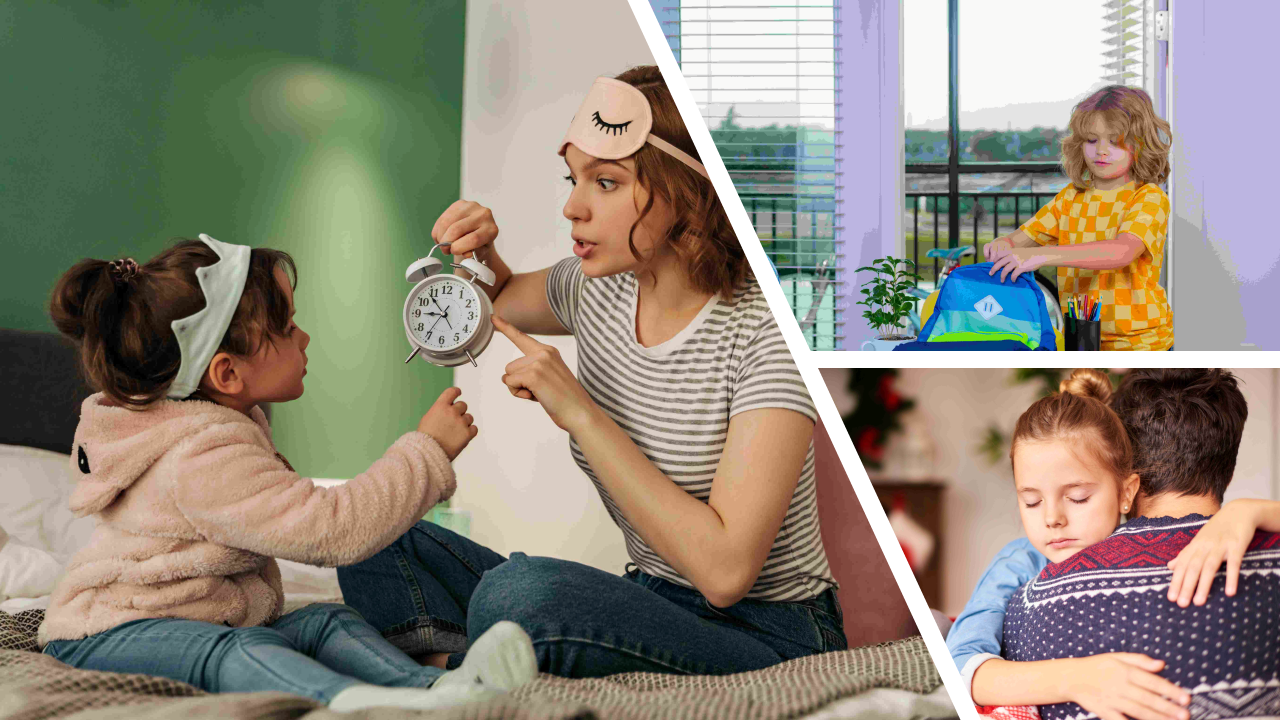
The Role of Routine in a Child's Emotional Security
In the earliest years of growing up, children are not just learning the alphabet and numbers; they are learning how the world works. And the very first lesson that the world can teach them is a simple one: I am safe here, and I know what comes next.
Read More