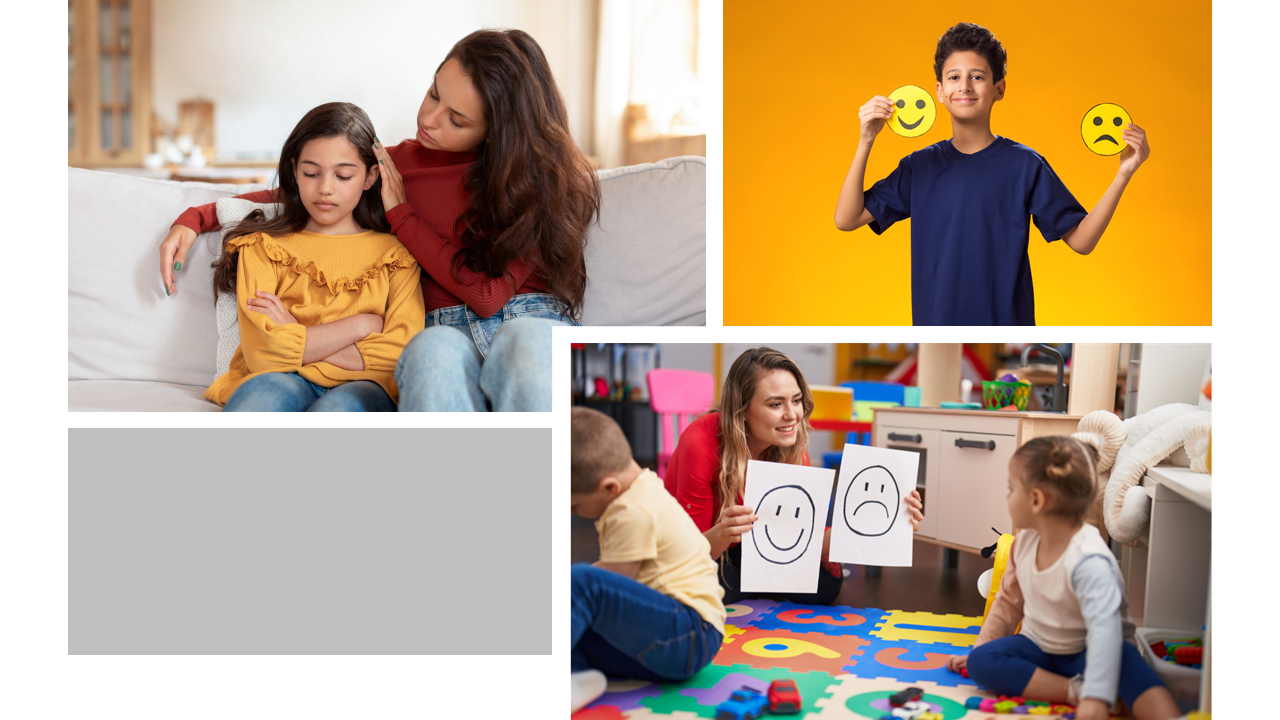
Emotional First Aid: Teaching Kids to Understand Their Feelings

Kids feel many emotional ups & downs. Kids are one of the innocent human creatures who have no masks, just real emotions. Since the preparatory age is the time when children learn rapidly and grow emotionally. This is indeed a crucial phase, and teaching kids to understand their feelings can greatly benefit them in the future.
We get first aid when a child gets hurt on the knee, but what about their emotional first aid? How to do it? And how to approach this?
Learning to regulate emotions is a tough process for kids. This is where teaching them how to react to their feelings is important. Emotion regulation calls on so many skills, including attention, planning, cognitive development, and language development. Psychologists say that children develop those skills at different ages and, of course, with the constant support of their parents and teachers.
What Is Emotional First Aid?
Emotional first aid is similar to the comfort we provide to a child who is upset and hurt but does not have an injury.
Just as a band-aid protects and heals a child's scraped knee, emotional first aid helps a child process feelings of disappointment and anger and prevents them from becoming overwhelming anger.
This does not mean erasing or removing difficult emotions. It means helping children learn and evolve through that feeling. All emotions are natural and temporary and can subside. Emotional first aid has been shown in studies to help children learn to recognise and name their emotions, leading to better regulation of those feelings.
Why Does Emotional Awareness Matter in the Early Years?
As we discussed earlier, the early ages are the most crucial for the formation of emotional intelligence. Children with a higher emotional intelligence are often able to:
Build healthy friendships
Communicate their needs clearly
Handle conflicts positively
Develop empathy for others
Maintain focus during learning
Simple Ways to Teach Children Emotional First Aid
Encourage children to identify and express their feelings using simple emotion words.
Acknowledge their emotions before offering advice or solutions.
Encourage talking, drawing, storytelling, or play as safe outlets for feelings.
Help children understand that emotions come and go, and difficult moments won't last forever.
Model calm and healthy emotional responses in everyday situations.
Make regular conversations about feelings a natural part of home and classroom life.
How We Help Children's Emotional Development
At Blue Bells Preparatory School, we go beyond academic learning. We assist every child in their emotional development and nurture their confidence for better outcomes.
Blue Bells Preparatory School implements activities that develop self-awareness among both children and teachers. We believe children grow best in an environment where they feel accepted, valued, and supported. By helping them understand and express their emotions, we encourage self-awareness, empathy, and the confidence to build meaningful relationships - qualities that stay with them long after they leave the classroom.
Conclusion
Emotional Development is not about avoiding difficult feelings; it is about building children's self-worth and teaching them to express their feelings in a healthy way. On the other hand, emotional strength is like academic strength and requires guidance and nurturing. The right learning environment allows children to express themselves freely, build confidence, and feel truly understood.