

Helicopter Parenting vs Independent Parenting: Finding the Right Balance


Helicopter Parenting vs Independent Parenting:
Finding the Right Balance
Sometimes,
the most helpful thing a parent can do is resist the urge to help.
Imagine
this - your child is trying to open a lunchbox, the clasp will not budge, and
you already know exactly how to fix it. Your hand almost reaches out
automatically, but what happens if you wait?
They turn
it around, try another angle and eventually work it out. Opening the lunchbox
may not seem like a milestone, but the experience is. Your child has just
discovered that when something does not work the first time, they can try
another way.
These
everyday moments reveal the difference between helicopter parenting and independent
parenting. For young children, independence does not mean being left to
figure everything out alone. It means having a supportive parent nearby while
still having room to make choices, try new things and handle manageable
challenges.
What is helicopter parenting?
Helicopter
parenting is a highly involved parenting style in which parents closely monitor
their child's activities and tend to intervene quickly when difficulties arise.
The
motivation is usually care. Parents want to protect their children from
frustration, failure or disappointment, and stepping in can feel like the
quickest solution.
However,
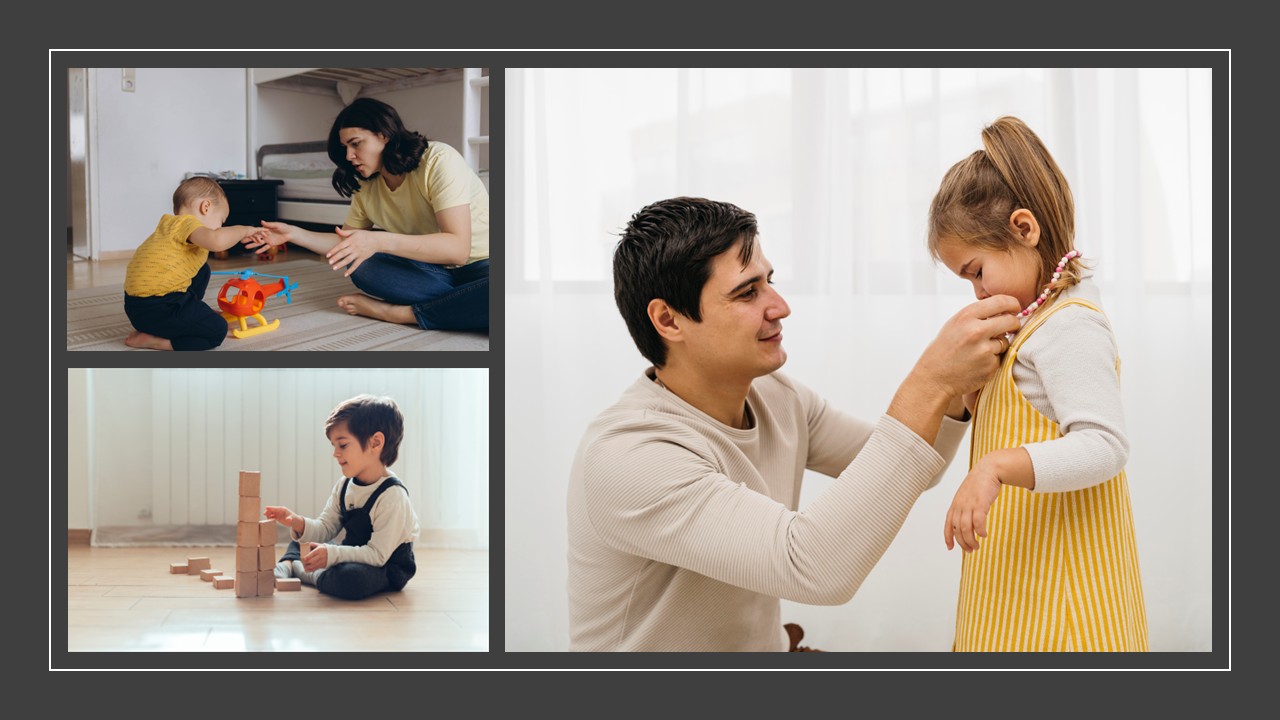
children also need opportunities to work things out themselves. If a
preschooler's block tower starts wobbling and a parent immediately rebuilds it,
the structure may be stronger, but the child loses the opportunity to
understand what went wrong and experiment with another solution.

What is independent
parenting?
Independent
parenting gives children age-appropriate freedom to make choices, attempt tasks
and solve manageable problems, while keeping the parent available for guidance.
If your
child cannot remember where they left their favourite book, you could find it
for them. Or you could ask, “Where were you reading it last?” and let them
retrace their steps.
The second
approach takes longer, but it gives the child an opportunity to practise
memory, observation and problem-solving.
Helicopter parenting vs
independent parenting: What is the difference?
The
difference often appears in ordinary situations. Let’s understand with everyday
situations;
|
Everyday
Situation |
Helicopter
Approach |
Independent
Approach |
|
Choosing
a book |
Parent
chooses |
Child
chooses between two options |
|
Pouring
water |
Parent
takes over |
Child
tries with a manageable amount |
|
Organising
a school bag |
Parent
packs it |
Child
decides where things belong |
The goal is
not to label one style as good and the other as bad. It is to recognise when helping
means supporting a child and when it means taking over.
Why is independence important for preschoolers?
Preschoolers
are learning to make choices, follow routines, manage simple responsibilities
and respond when things do not go according to plan.
Giving them
opportunities to do things themselves helps develop decision-making,
problem-solving, persistence, responsibility and confidence. More
importantly, children begin to understand their own capabilities through
experience, rather than simply being told that they are capable.