
Positive Parenting


Positive Parenting: How to Set Boundaries Without Constant Battles
Child: “Can I jump in?”
You: “No.”
Your child sees a puddle, but you see muddy shoes, wet socks and the inevitable bath. And just like that, a perfectly ordinary afternoon becomes a tiny battle of wills.
For young children, “no” can feel like a door suddenly closing. But boundaries are not meant to keep children from exploring the world. They help children learn to move through it safely, respectfully, and independently. Learning to hear “no”, manage disappointment and make choices within limits is an important part of growing up.

“No” Makes Room for Growth
Young children are discovering the world at their own pace. They need freedom to explore, but they also need to know the boundaries. Consistent limits give them a sense of security and help them understand what is expected of them.
A boundary does not have to sound harsh. “We cannot play with the tablet now, but we can read a story together” sets a clear limit while offering another possibility.
At Blue Bells Preparatory School, we believe education is about nurturing the whole child and developing their ability to think, relate, act and learn. Caring boundaries at home complement this journey, helping children gradually develop responsibility and make thoughtful choices.
Little Lessons Behind a Big “No”
A child switching off the screen is learning about balance. A child waiting for their turn is practising patience. A child asked not to snatch a toy is beginning to understand that others have feelings and boundaries too.
These everyday moments quietly build respect, empathy, responsibility and self-control. The goal is not to control every choice but to help children understand that choices have consequences and that being part of a family or community means considering others.
Hold the Boundary, Hold the Connection
Children will test limits. It is part of being curious, independent, and occasionally spectacularly determined.
A tantrum does not necessarily mean a boundary is wrong. It may simply mean the child is still learning how to handle disappointment. This is where consistency matters. If bedtime is 8:30 one night but becomes 10:00 after enough protest, the boundary becomes negotiable.
A calm, predictable response helps children understand that rules do not change with the volume of the protest.
But firmness does not mean being cold.
“I know you want to keep playing. It is difficult to stop when you are having fun. But it is bedtime now.” Firm.

Give Choices Within the Boundaries
There is a world of difference between giving children no choice and giving them every choice.
Instead of “Put your shoes on now,” try, “Would you like the blue shoes or the red ones?” Instead of “Stop playing,” try, “Would you like five more minutes or finish after this turn?”
Small choices give children a sense of independence while keeping the larger boundary intact. They learn that independence does not mean getting everything they want. It means learning to make decisions responsibly.
Children Watch More Than They Listen
The most powerful lesson about boundaries may come from watching the adults around them.
Children notice how we speak when frustrated, how we respond when plans change, and whether we respect the boundaries we expect them to follow. If we want children to be patient, respectful and responsible, they need to see those qualities in action.
In the early years, everyday behaviour becomes a quiet curriculum.
A “No” Today Can Become a “Yes” Tomorrow
A boundary is not meant to make a child’s world smaller. It is to give them the confidence to navigate a bigger one.
Conclusion
At Blue Bells Preparatory School, we see education as a journey of progressive self-discovery, where curiosity, reasoning, compassion and strong values grow alongside academic learning.
The same journey begins at home. So, the next time your child asks, “Why can’t I?”, remember that a calm, loving “no” can teach something far more valuable: how to pause, manage disappointment, make a choice, and eventually find their own way.
Because good boundaries don’t limit a child’s world. They give them the confidence to explore it.


More Blogs
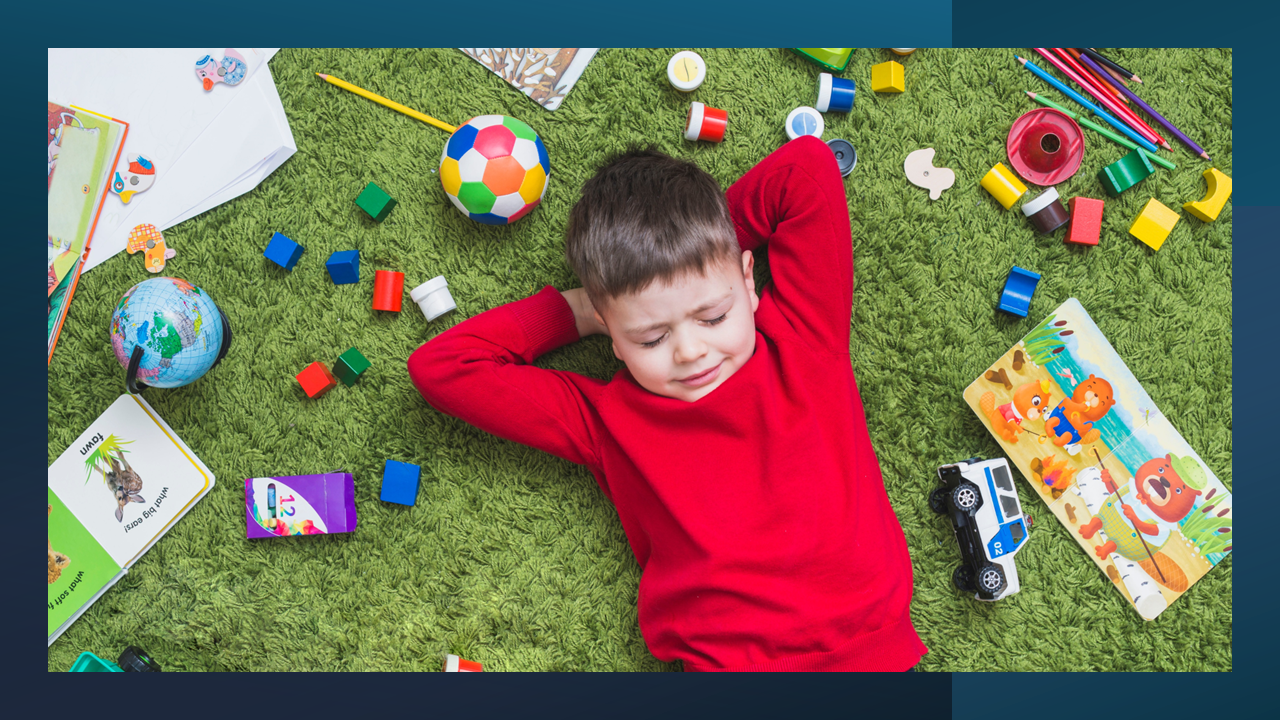
Are We Over-Scheduling Our Kids? The Case for a Slower Childhood
Your child asks this as you reach for the car keys, ready to leave for another class. Dance on Monday, swimming on Tuesday, and music on Wednesday. The calendar is full, the intentions are good, but a small question lingers: when does a child get the time to simply be a child?
Read More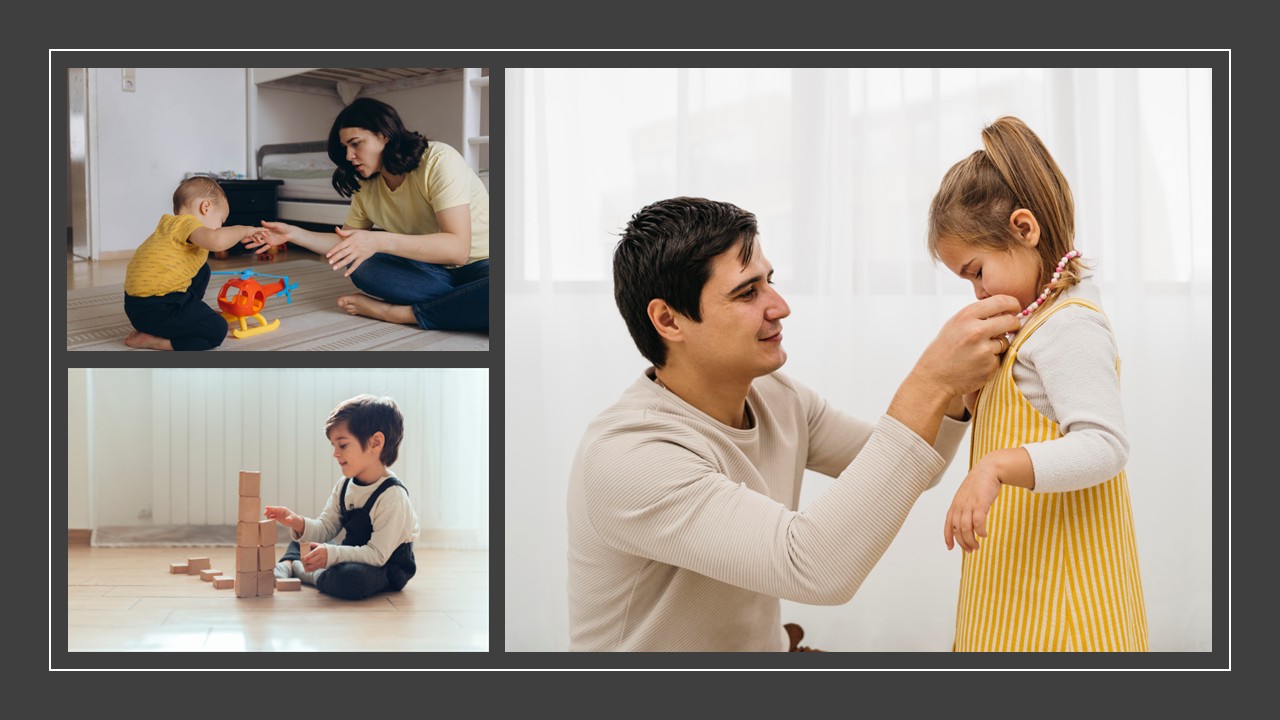
Helicopter Parenting vs Independent Parenting: Finding the Right Balance
Imagine this - your child is trying to open a lunchbox, the clasp will not budge, and you already know exactly how to fix it. Your hand almost reaches out automatically, but what happens if you wait?
Read More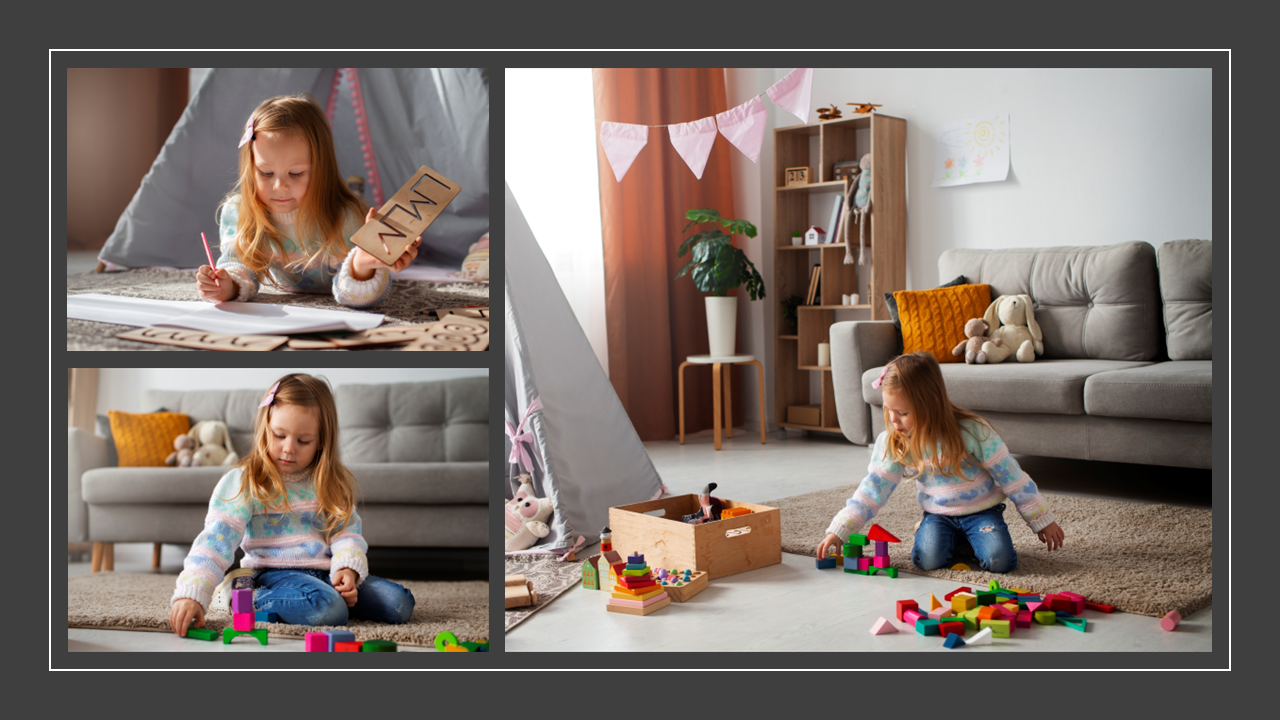
Boredom in children
Picture this: You have already brought out the crayons, found the puzzle, suggested the park, switched on a cartoon and possibly even offered the emergency snack. Yet your child is still standing in front of you, looking at you as though you personally invented boredom.
Read More
Preschool readiness: Key signs your toddler is prepared
Preschool readiness doesn’t mean your kid is ready to learn academics, but it is the phase where they start showing some important signs. Signs include comfort with separation, attention, minor self-help, and more.
Read More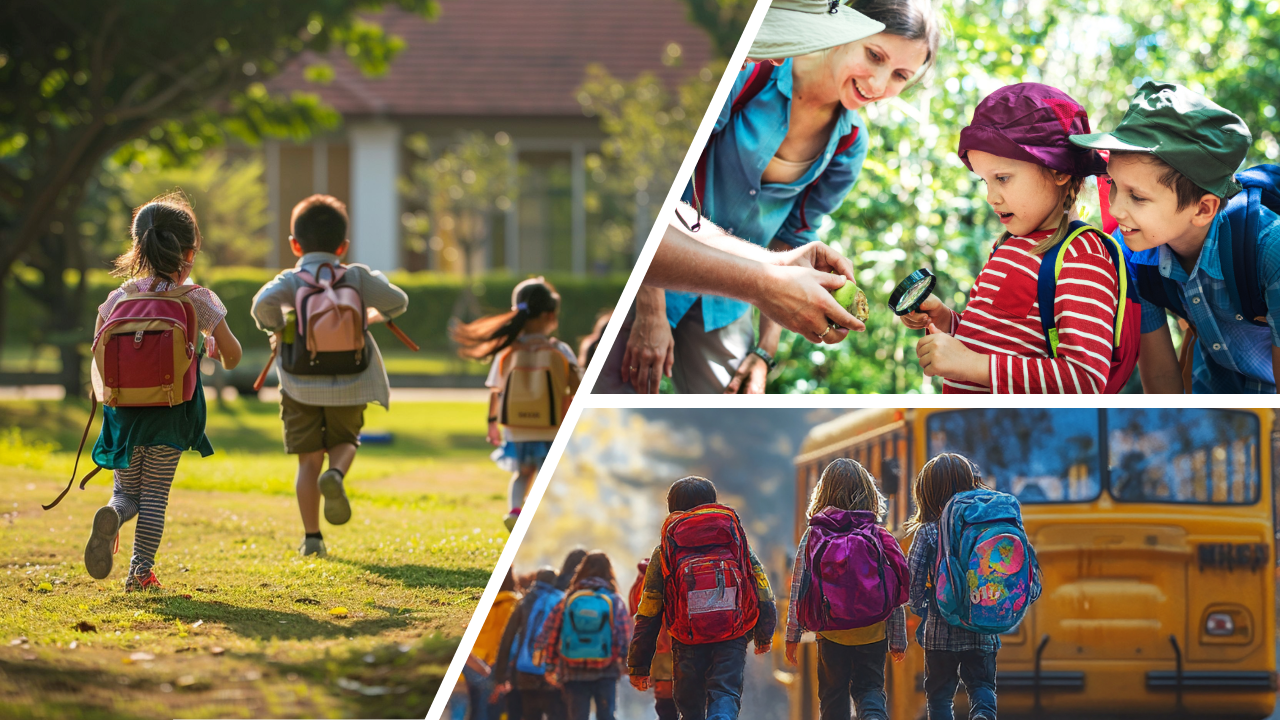
Beyond the Classroom: Why Field Trips Matter So Much
Every child is curious in their own ways. They learn by observing, asking questions, exploring new places, and experiencing the world around them. While classrooms provide the foundation for learning, educational outings complement them with valuable life lessons.
Read More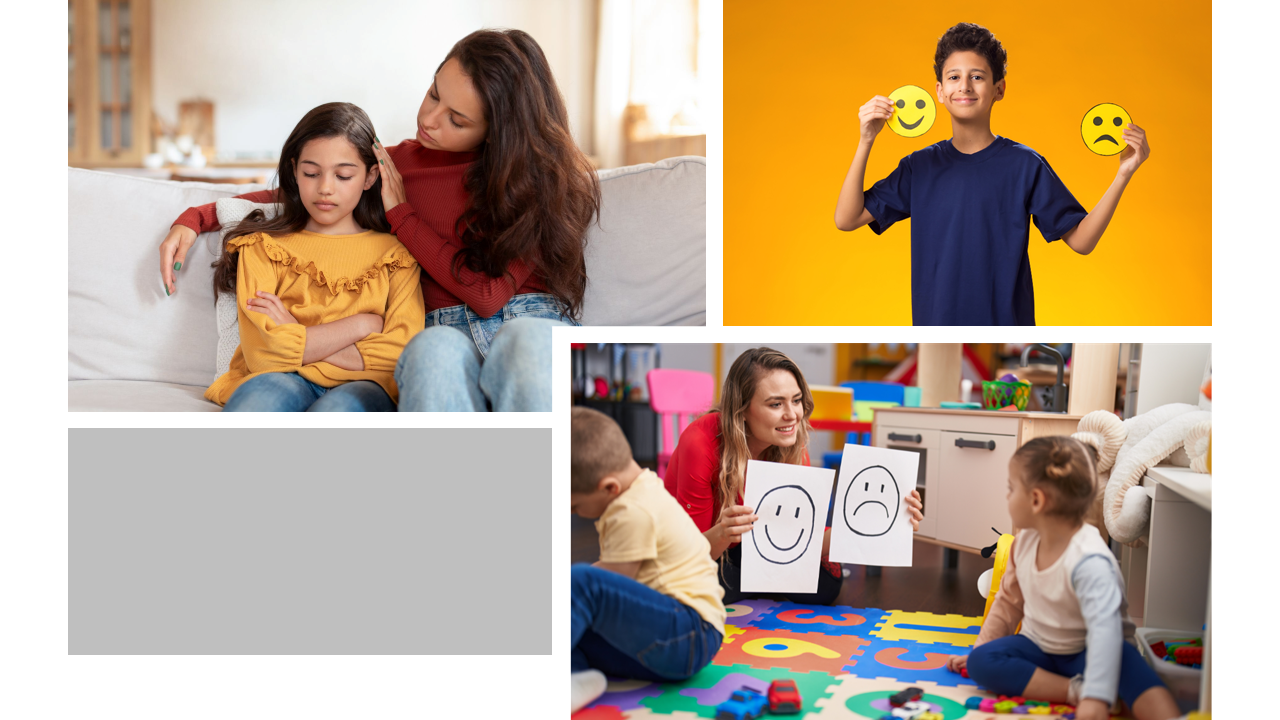
Emotional First Aid: Teaching Kids to Understand Their Feelings
Kids feel many emotional ups & downs. Kids are one of the innocent human creatures who have no masks, just real emotions. Since the preparatory age is the time when children learn rapidly and grow emotionally.
Read More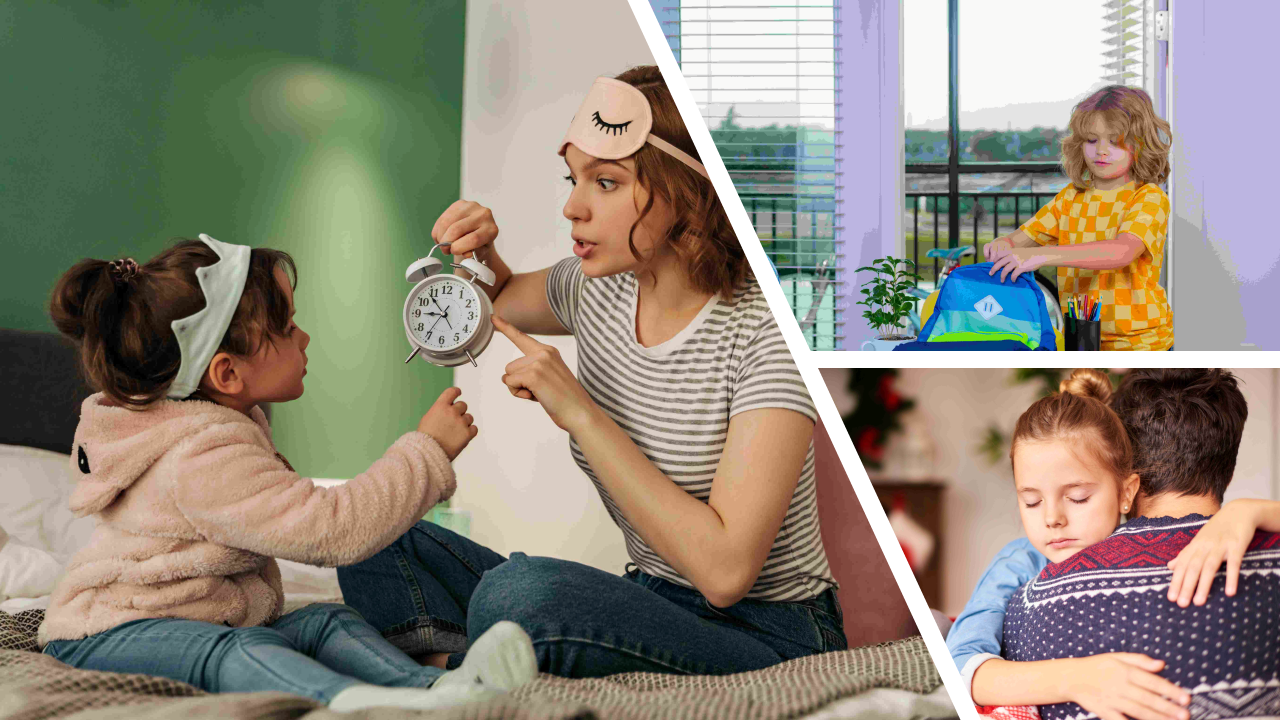
The Role of Routine in a Child's Emotional Security
In the earliest years of growing up, children are not just learning the alphabet and numbers; they are learning how the world works. And the very first lesson that the world can teach them is a simple one: I am safe here, and I know what comes next.
Read More