Play-Based Learning: Not Just Fun, But Fundamental

The pattern of learning has evolved. It's no longer only focused on academics; it goes beyond that. Especially learning for preparatory kids has unfolded many new ways. And from all, play-based learning is something every parent and school focuses on. 

The best way of learning is to keep innovating. Learning about kids' psychology and acting like that is a win-win formula.

Play-based learning is not a gap in education. It is the foundation of it. Especially for young children ages 3 to 6, play is how the brain builds its earliest and strongest connections.


What Is Play-Based Learning?


Play-based learning is a teaching approach in which children explore, discover, and understand the world through structured and unstructured play. It is not about keeping children entertained. It is about giving them the right environment to ask questions, make mistakes, and figure things out on their own.

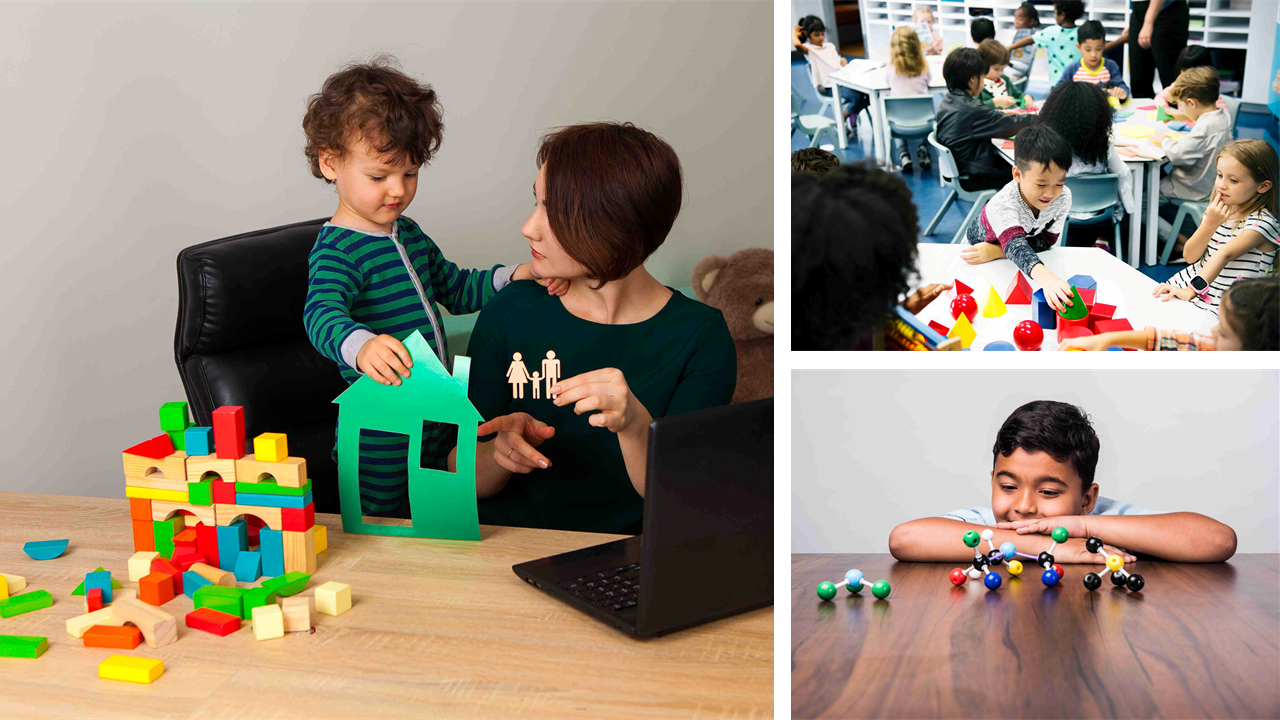
At the prep level, this looks like building blocks that teach spatial reasoning, role-play that builds empathy, and storytelling circles that strengthen language - all while children believe they are simply having fun.


Why It Works at the Prep Stage

The early childhood years are when a child's brain develops fastest. Research consistently shows that learning through play at this stage leads to stronger outcomes in literacy, numeracy, social skills, and emotional regulation - far more than rote drills or worksheets ever could.

Here is what play actually builds:

1. Critical Thinking

When a child figures out why a block tower falls, they are solving a problem. No one told them the answer. They found it. This is inquiry-based learning in its most natural form - and it is a habit of mind that stays with them forever.

2. Language and Communication

During group play, children develop strong communication skills by sharing ideas, listening to peers, and collaborating effectively. Every conversation is a language development exercise. 

3. Emotional Intelligence

Taking turns, handling losing, sharing space – these are not soft skills. They are life skills. Social-emotional learning happens most naturally when children interact with each other in unscripted, playful situations.

4. Creativity and Imagination

A cardboard box becomes a spaceship. A puddle becomes an ocean. When children are free to imagine, they are also learning to innovate. Creative thinking in early childhood is one of the strongest predictors of problem-solving ability later in life.

How Blue Bells Preparatory School Brings Play-Based Learning to Life

At Blue Bells Preparatory School, play is not left to chance. It is designed with intention.

Our Value Education sessions use stories, puppets, and group discussions to help children understand honesty, kindness, and responsibility - concepts that cannot be taught through textbooks alone.

Our inquiry-based classrooms are designed so that children can explore materials, ask questions freely, and arrive at understanding through experience.  


What Parents Can Do at Home


Play-based learning does not stop at the school gate. Here are a few simple ways to extend it:

  • Let your child lead the play sometimes. Follow their story, not yours.

  • Ask open-ended questions: "What do you think will happen if…?"

  • Swap screen time for building time - blocks, clay, or even kitchen play.

  • Read together daily. Let them pick the book.

These small habits reinforce what children experience at school and keep the love of learning alive at home.


Conclusion

Early childhood education is not about pushing children to perform. It is about building the roots that everything else grows from - curiosity, confidence, communication, and care for others.

At Blue Bells Preparatory School, we believe that a child who loves to learn will always find a way to succeed. And that love almost always begins with play.

Because play is not a break from learning. Play is how children learn best.


More Blogs

the-role-of-routine-in-a-child-s-emotional-security
The Role of Routine in a Child's Emotional Security

In the earliest years of growing up, children are not just learning the alphabet and numbers; they are learning how the world works. And the very first lesson that the world can teach them is a simple one: I am safe here, and I know what comes next.

Read More
how-parents-and-teachers-together-shape-a-child-s-growth
How Parents and Teachers Together Shape a Child's Growth

A child’s growth in the early years matters most, as it lays the foundation for their future life. Parent-teacher collaboration is the most important thing in a child’s development.

Read More
the-power-of-storytelling-in-early-learning
The Power of Storytelling in Early Learning

Stories shape us. Storytelling can impact anyone. Stories are a part of our culture that not only help us learn new things but also define our future. It would not be wrong to say that storytelling is an art. The art of storytelling is something everyone can’t possess.

Read More
why-teacher-student-relationships-matter-in-early-years
Why Teacher-Student Relationships Matter in Early Years

The teacher-student relationship in the early years is both adorable and worth observing. Somehow, we all remember our first teacher, who held our hands to help us write better or

Read More
how-social-skills-begin-in-the-classroom
How Social Skills Begin in the Classroom?

Social skills have become important aspects in our lives- especially in kids' lives. Showing empathy, communicating with friends, and sharing things are core abilities that fall under social skills.

Read More
a-day-in-the-life-at-blue-bells-preparatory-school
A Day in the Life at Blue Bells Preparatory School

School time is one of the best times in children's lives. Kids don't just learn in schools but also play, make friends, and enhance life skills.

Read More
teeth-nails-shoes-grooming-basics-for-school-days
Teeth, Nails, Shoes: Grooming Basics for School Days

Discipline is essential for any school-going kid. It isn’t just about arriving at school on time, completing homework within the given deadline, and wearing neat clothes; personal hygiene and grooming are also essential components of discipline.

Read More
x

Admission Open

for Classes Nursery to II
& Playgroup
Session 2026 - 27

Enquire Now

Have Questions? We Have Answers!

Admissions Open for Classes Nursery to II & Playgroup

Session 2026 - 27