
How Social Skills Begin in the Classroom?


How Social Skills Begin in the Classroom?
Social skills have become important aspects in our lives- especially in kids' lives. Showing empathy, communicating with friends, and sharing things are core abilities that fall under social skills. Long before children learn formal academics, they begin learning how to interact, communicate, and build relationships. The classroom becomes their first social ecosystem- a place where habits, behaviours, and values quietly take root.
The Early Years: Where Social Learning Truly Begins
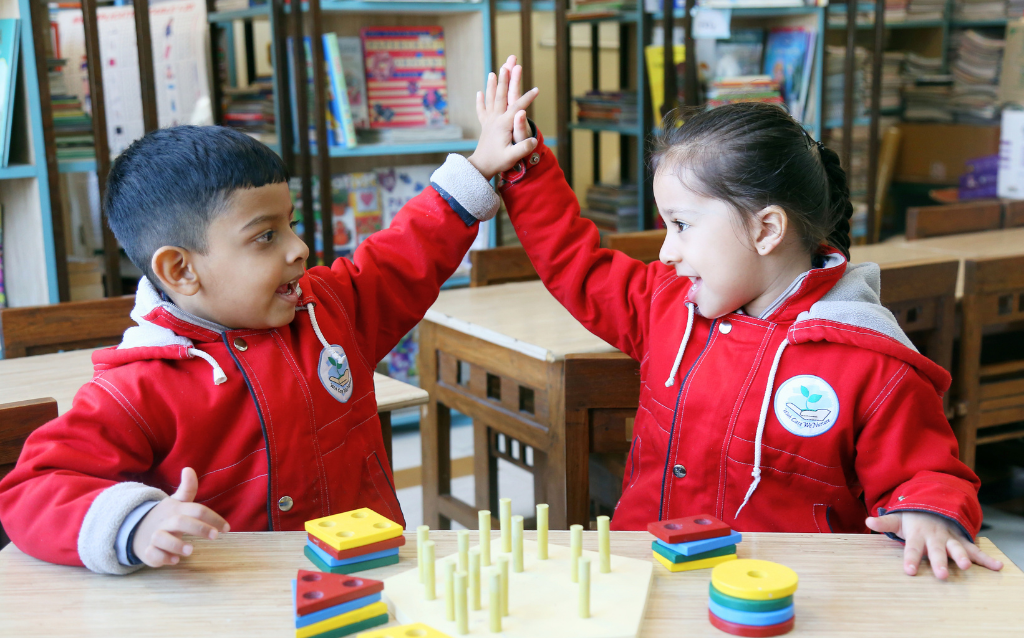
The foundation of social behaviour is laid during early childhood development, a stage when children are naturally curious, observant, and eager to connect. At this age, children learn by watching and imitating those around them. Simple classroom moments- sharing toys, waiting for a turn, greeting peers, or listening during group activities become meaningful lessons in cooperation and empathy.
These interactions help children understand emotions, boundaries, and social cues. Over time, such experiences build confidence and teach children how to express themselves appropriately in different situations.
The Role of Educators in Shaping Social Behaviour
Behind every positive classroom interaction is the quiet guidance of preschool educators. More than instructors, educators act as facilitators of social growth. They help children navigate friendships, resolve conflicts, and understand emotions through calm conversations and thoughtful intervention.
By modelling respectful behaviour and encouraging open communication, preschool educators create an atmosphere where children feel safe to speak, listen, and learn from one another. This consistent support helps children develop trust and emotional security- both essential for healthy social development.
Learning Through Play: Social Skills in Action
Children learn best when learning feels natural and enjoyable. That is why learning through play plays such a vital role in developing social skills. Play-based activities encourage children to collaborate, communicate, and problem-solve without pressure.
Whether it’s role-playing everyday situations, building structures together, or participating in group games, children learn to share ideas, take responsibility, and work as a team. Through play, they also explore emotions, practice decision-making, and gain confidence in expressing themselves.
Creating a Nurturing Environment for Social Growth
A child’s willingness to interact socially depends greatly on how safe and supported they feel. A nurturing environment allows children to express themselves freely without fear of judgment. When children feel valued and understood, they are more likely to engage positively with peers.
Encouragement, patience, and reassurance help children learn that mistakes are part of learning. This emotional safety builds resilience and teaches children to approach social situations with confidence and kindness.
How Infrastructure Supports Social Interaction
Social development is influenced not only by people but also by spaces. Thoughtfully planned preschool infrastructure plays a key role in encouraging interaction. Open classrooms, shared activity areas, and child-friendly layouts invite collaboration while still offering spaces for quiet reflection.
Well-designed classrooms allow children to move freely, interact naturally, and feel comfortable in their surroundings. When children feel at ease physically, they are more open to social engagement.
The Early Childhood Learning Environment as a Community
The development of social skills in an early childhood learning environment requires implementing structured routines and educational values, fostering personal connections, and providing diverse learning experiences. Daily activities such as circle time, group discussions, celebrations, and shared responsibilities teach children important social skills, including patience, empathy, and respect for others. Through their shared experiences, children learn that they belong to a community which values both their emotions and their contributions. The ability to balance independent work with team collaboration develops as children grow into adulthood because this skill is crucial to success in life.
Conclusion
The social skills that children acquire in their early years will benefit them throughout their lives, including their educational journey. The development of communication skills, along with emotional control and teamwork abilities, enables children to succeed in their academic studies and in their interactions with others. Social skills development occurs naturally when classrooms are guided by dedicated teachers who implement play-based learning in well-planned environments that foster a friendly atmosphere for students. Blue Bells Preparatory School provides comprehensive solutions to all concerns while creating an environment that meets every child's needs. The initial educational experiences establish a foundation for children to become self-assured and understanding individuals who can successfully navigate their surroundings.


More Blogs

Preschool readiness: Key signs your toddler is prepared
Preschool readiness doesn’t mean your kid is ready to learn academics, but it is the phase where they start showing some important signs. Signs include comfort with separation, attention, minor self-help, and more.
Read More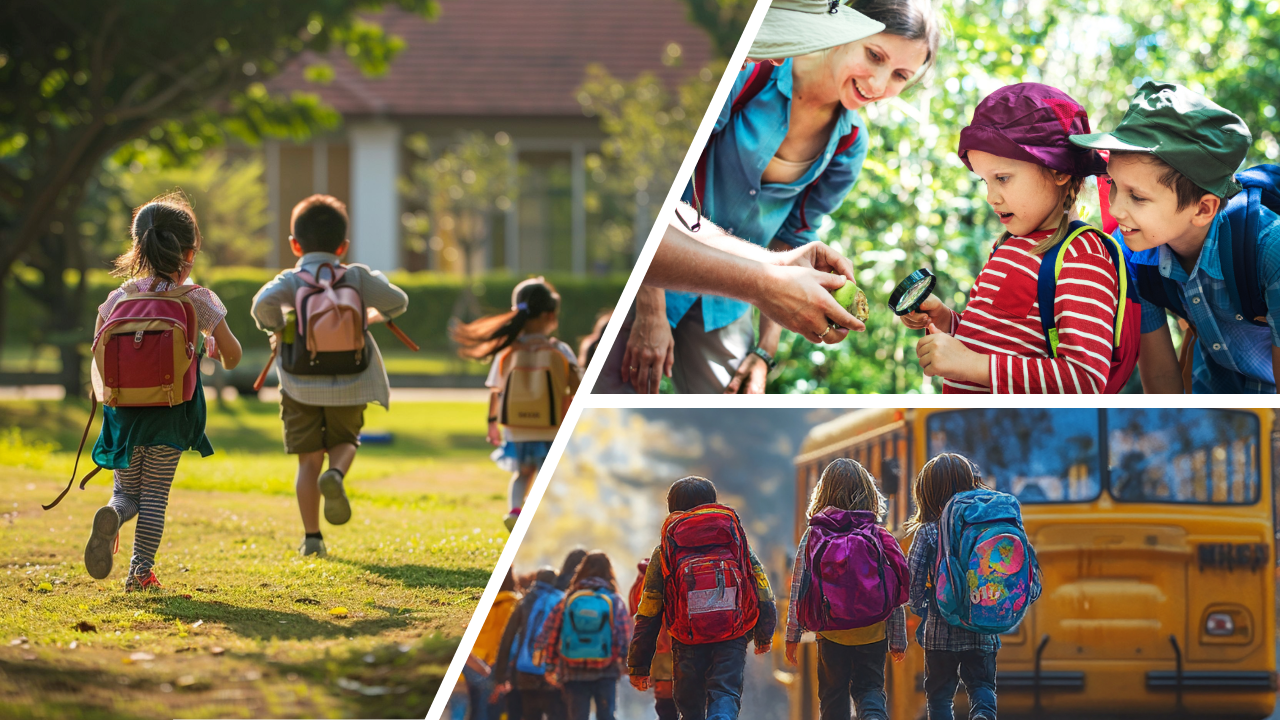
Beyond the Classroom: Why Field Trips Matter So Much
Every child is curious in their own ways. They learn by observing, asking questions, exploring new places, and experiencing the world around them. While classrooms provide the foundation for learning, educational outings complement them with valuable life lessons.
Read More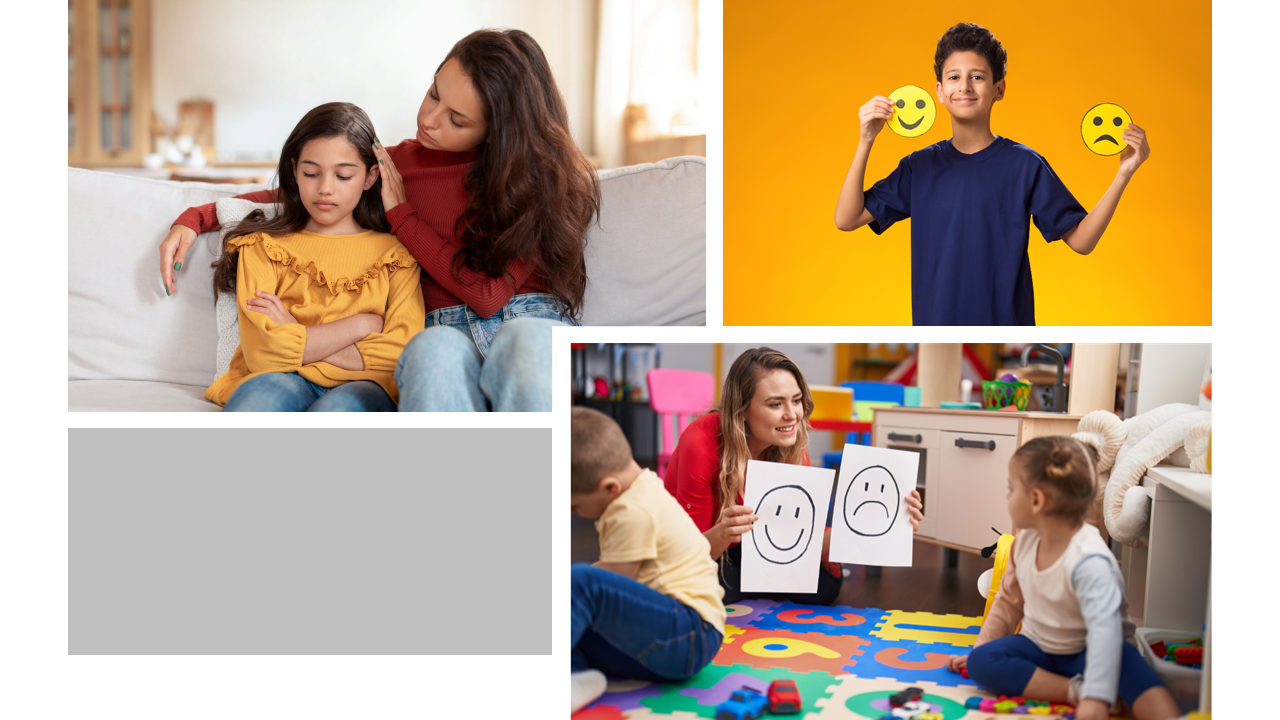
Emotional First Aid: Teaching Kids to Understand Their Feelings
Kids feel many emotional ups & downs. Kids are one of the innocent human creatures who have no masks, just real emotions. Since the preparatory age is the time when children learn rapidly and grow emotionally.
Read More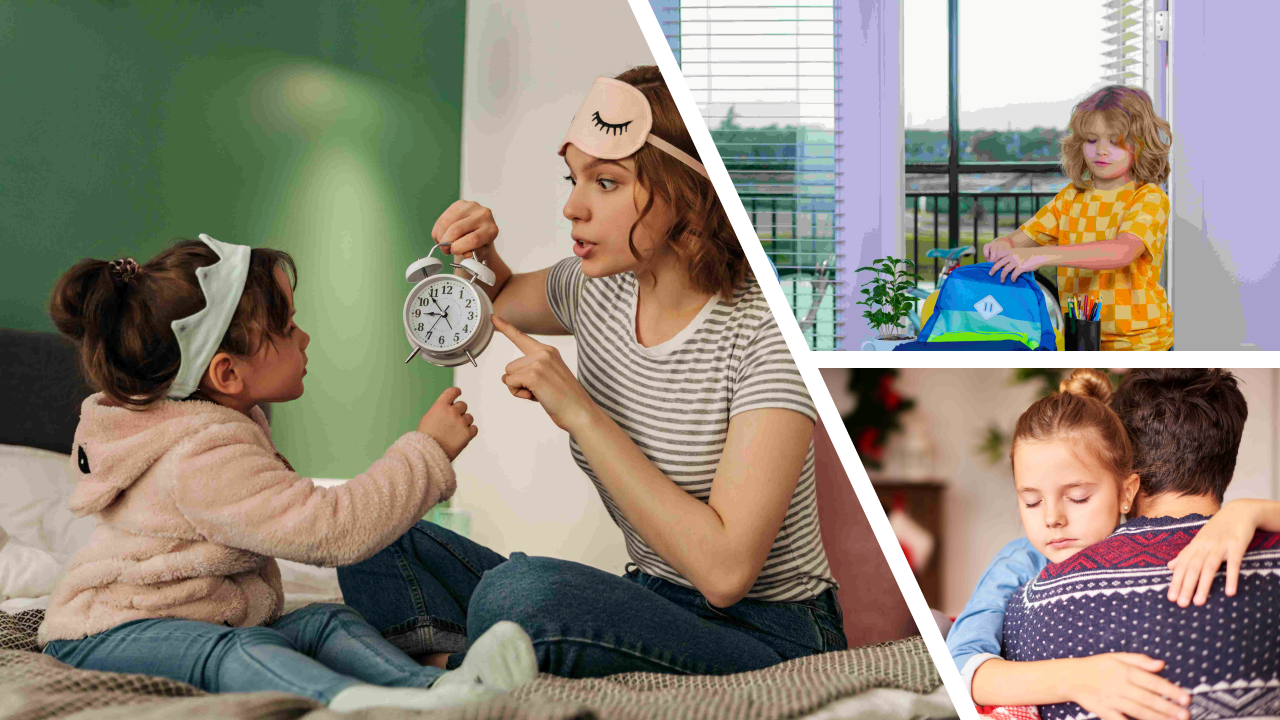
The Role of Routine in a Child's Emotional Security
In the earliest years of growing up, children are not just learning the alphabet and numbers; they are learning how the world works. And the very first lesson that the world can teach them is a simple one: I am safe here, and I know what comes next.
Read More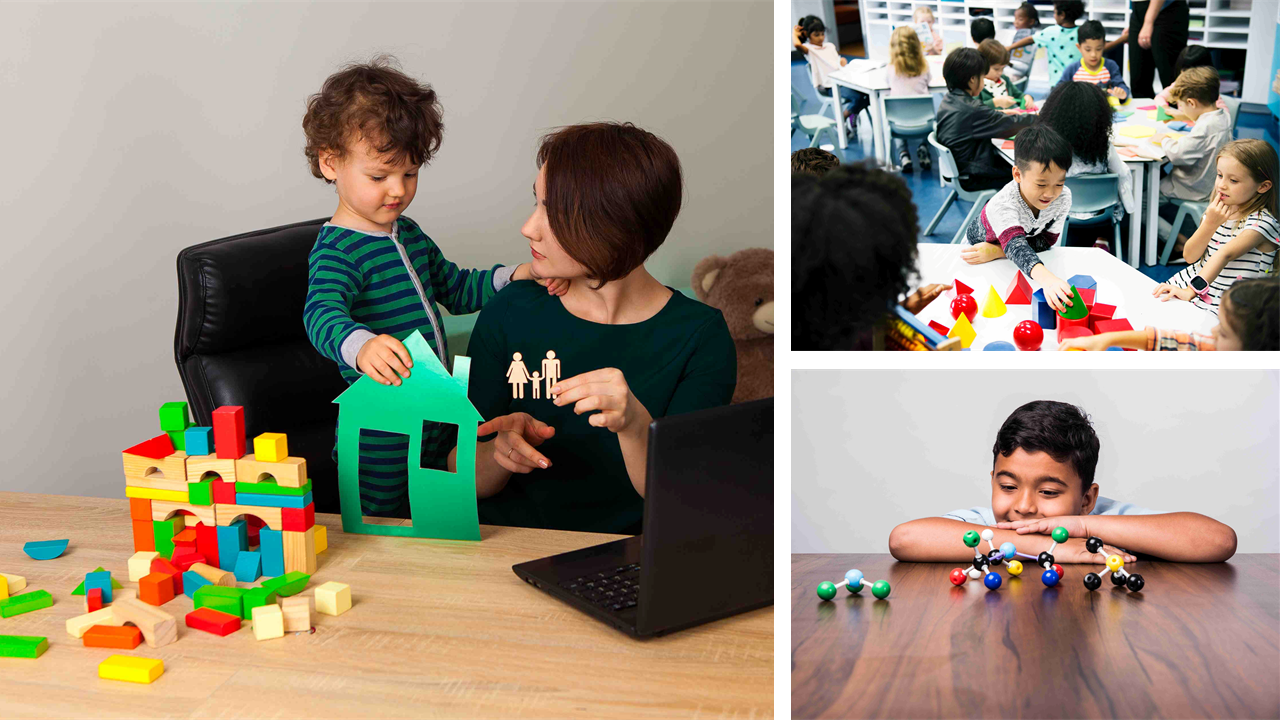
Play-Based Learning: Not Just Fun, But Fundamental
The pattern of learning has evolved. It's no longer only focused on academics; it goes beyond that. Especially learning for preparatory kids has unfolded many new ways. And from all, play-based learning is something every parent and school focuses on.
Read More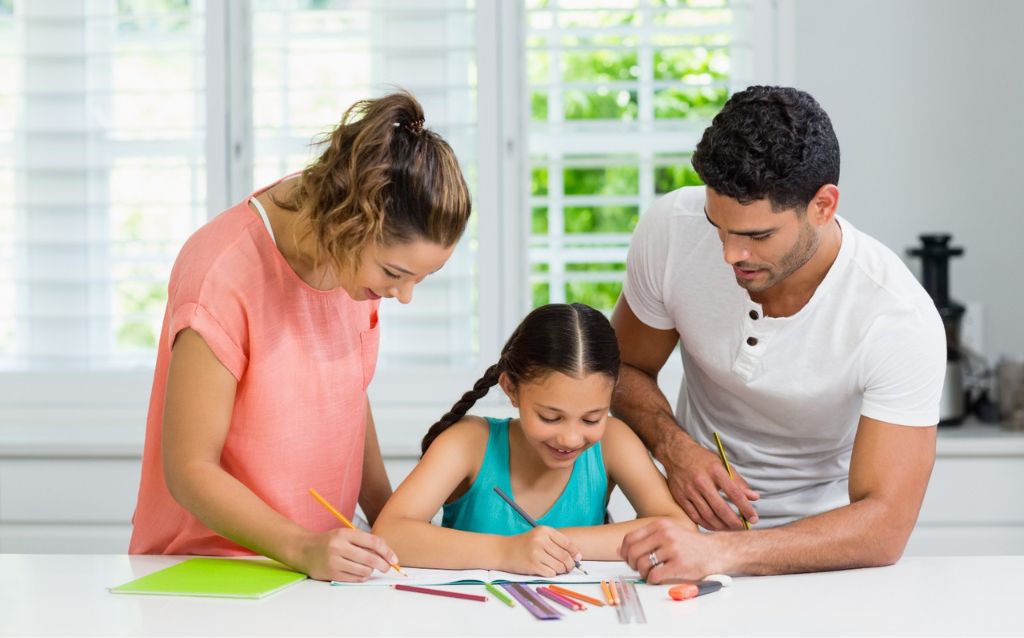
How Parents and Teachers Together Shape a Child's Growth
A child’s growth in the early years matters most, as it lays the foundation for their future life. Parent-teacher collaboration is the most important thing in a child’s development.
Read More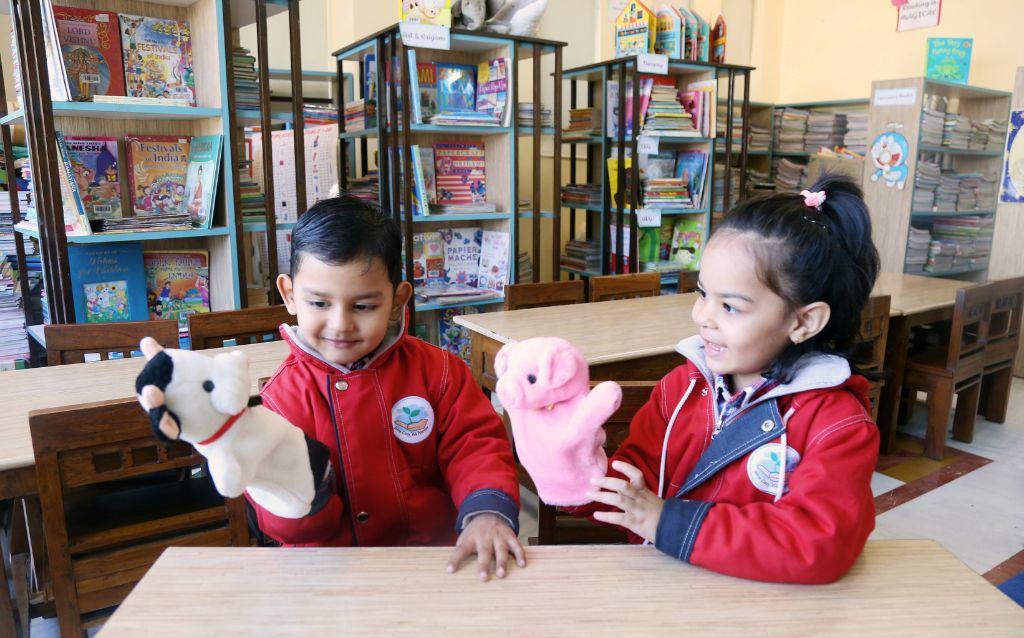
The Power of Storytelling in Early Learning
Stories shape us. Storytelling can impact anyone. Stories are a part of our culture that not only help us learn new things but also define our future. It would not be wrong to say that storytelling is an art. The art of storytelling is something everyone can’t possess.
Read More