Reading Together: 10 Minutes a Day


What you read is what you imbibe. In the fast-paced world, where screens have captured children's attention, the simple act of reading a book can evoke a magical feeling. We indeed have to evolve with the times, but reading shouldn't be limited to screens only. Reading isn't just about words or letters- it's about imagination and curiosity that spark when children hold a book in their hands.
And here’s the best part: you don’t need to spend hours reading to reap the rewards. Even reading for 10 minutes a day can create a world of difference.
Why Does 10 Minutes of Reading Matter?
There is always a thought that parents ponder over: What good can reading bring to daily life when it lasts only a few minutes? A child develops attention span, concentration, and creativity by listening to a story every day.
Just think of it this way: it is like planting seeds. Even if it feels like the 10 minutes are a little short, those reading habits will one day grow into mighty pillars of knowledge, compassion, and curiosity.
Advantages of Reading
So, what are the benefits of reading daily with your child? Let’s look closer:
Language Development
When you read word-for-word, loud and clear to your children, you just don’t teach them, but expose them to new ideas, vocabulary, and sentence formations. Even picture books go a long way toward developing their speech and vocabulary skills.
Stronger Imagination
Reading about new places, animals, or brave heroes inspires children to imagine a world outside their own. Stories nurture both creativity and lateral thinking.
Emotional Bond
Books bring warmth and comfort. When a child takes care of a book, it brings a sense of belonging and happiness. Reading is an activity that children and parents can enjoy together, allowing them to bond over a shared experience. This isn’t just a typical school assignment, but a ritual of reassurance.
Better Discipline & Focus
Gentle guidance is an essential aspect that enables a child to sit down, listen, and focus, ultimately leading to improved performance. Reading 10 minutes a day requires concentration that helps to develop focus and patience.
Academic Benefits
Children who read daily perform better academically. Regardless of the subject, social studies, science, and mathematics are all accessible to those with strong literacy skills.
How to Make Reading a Daily Habit
We know life gets busy fast for your little one, but building a 10-minute reading routine doesn’t have to be difficult. Here are a few ideas:
Set a specific time: Bedtime is ideal, but mornings or afternoons also work- consistency matters more than timing.
Create a reading nook: A cosy chair, soft cushions, or a small shelf of books can make reading feel special.
Let the child choose: Giving children the freedom to pick their book builds excitement and ownership.
Keep it short & sweet: Don’t worry about finishing a whole book. Even a poem, a page, or a short story works wonders.
Be expressive: Use voices, actions, and expressions- it makes the story come alive.
The Effect of Just 10 Minutes of Reading Together
If you’re still thinking, “Will 10 minutes really make a difference?” The answer is absolutely- yes. Imagine if your child spends 10 minutes reading daily- that’s over 60 hours of reading in a year! Now multiply that by the joy, learning, and imagination unlocked in those hours.
And this isn’t just about literacy- it’s about nurturing curious, empathetic, and resilient learners who can think critically, ask questions, and dream big.
We encourage every parent to start practising Reading Together: 10 minutes of reading a day. This exercise fits perfectly into the scholarly and emotional growth of learners. Tonight, before another scroll on the phone or rushing to cross off the to-do list, pause for a mere 10 minutes. Grab a book, sit, and read with your little one.
For in these 10 minutes, you are not only sitting with your child asking him/her to sound out English words, but an ad, an advertisement is guaranteeing a brighter, kinder future for all of us.
These 10 minutes may seem like a casual chat, but they have much more to do with your children. This small habit of today will result in your kid’s bright future.


More Blogs
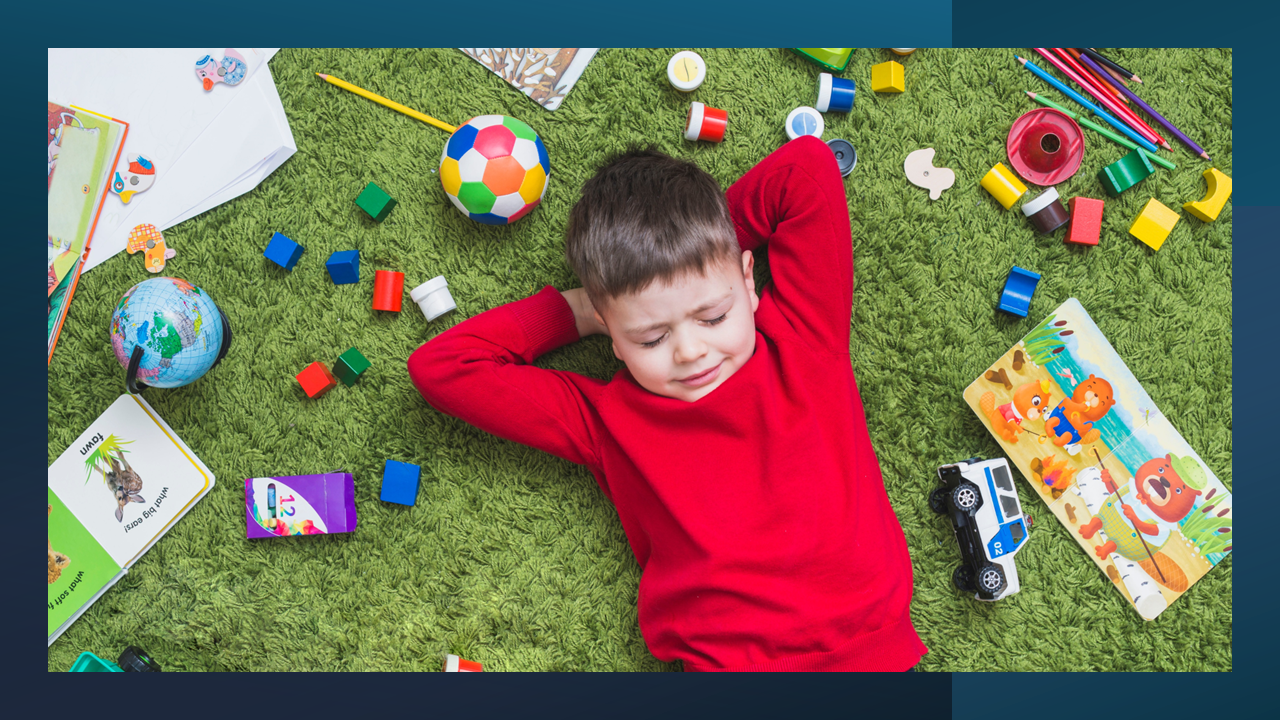
Are We Over-Scheduling Our Kids? The Case for a Slower Childhood
Your child asks this as you reach for the car keys, ready to leave for another class. Dance on Monday, swimming on Tuesday, and music on Wednesday. The calendar is full, the intentions are good, but a small question lingers: when does a child get the time to simply be a child?
Read More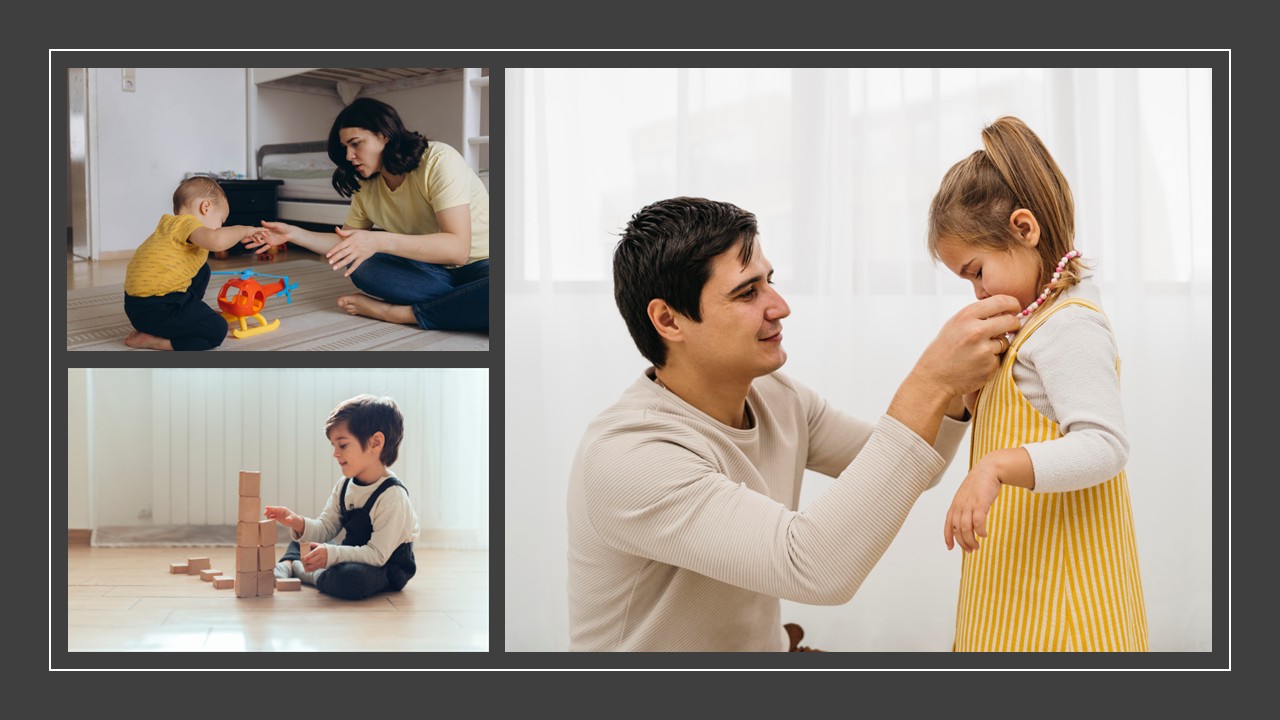
Helicopter Parenting vs Independent Parenting: Finding the Right Balance
Imagine this - your child is trying to open a lunchbox, the clasp will not budge, and you already know exactly how to fix it. Your hand almost reaches out automatically, but what happens if you wait?
Read More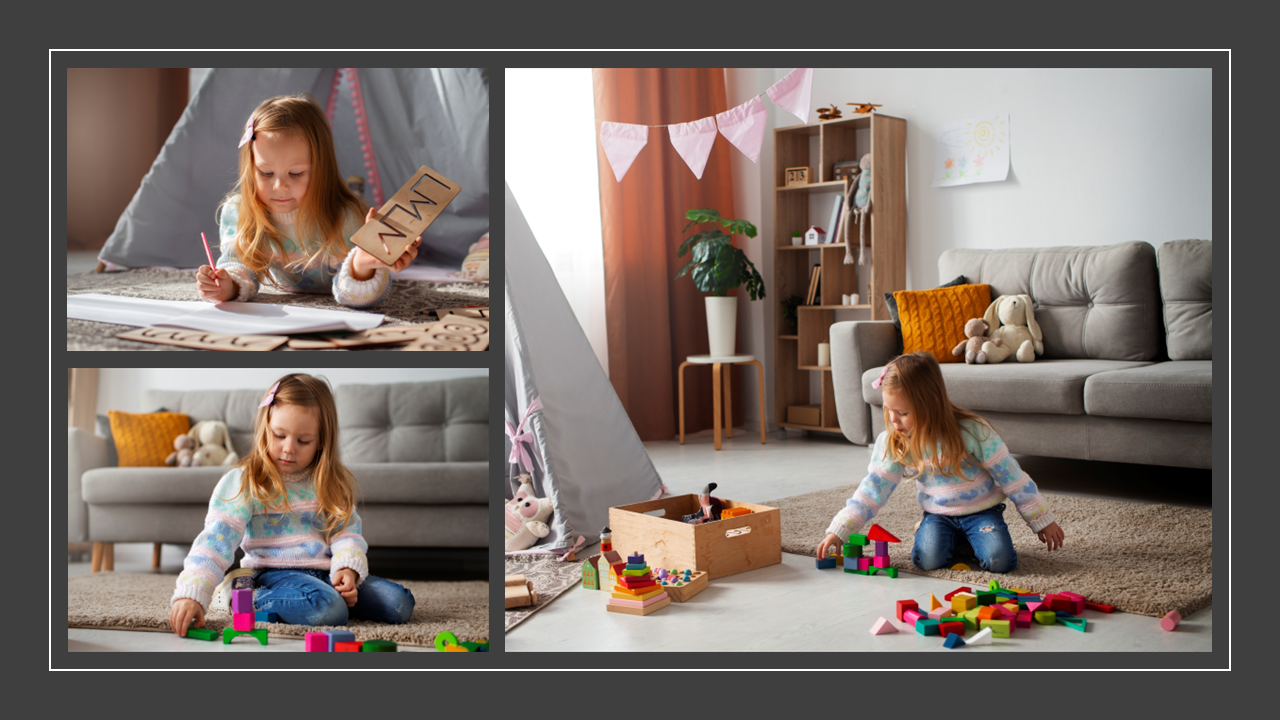
Boredom in children
Picture this: You have already brought out the crayons, found the puzzle, suggested the park, switched on a cartoon and possibly even offered the emergency snack. Yet your child is still standing in front of you, looking at you as though you personally invented boredom.
Read More
Positive Parenting
Your child sees a puddle, but you see muddy shoes, wet socks and the inevitable bath. And just like that, a perfectly ordinary afternoon becomes a tiny battle of wills.
Read More
Preschool readiness: Key signs your toddler is prepared
Preschool readiness doesn’t mean your kid is ready to learn academics, but it is the phase where they start showing some important signs. Signs include comfort with separation, attention, minor self-help, and more.
Read More
Beyond the Classroom: Why Field Trips Matter So Much
Every child is curious in their own ways. They learn by observing, asking questions, exploring new places, and experiencing the world around them. While classrooms provide the foundation for learning, educational outings complement them with valuable life lessons.
Read More
Emotional First Aid: Teaching Kids to Understand Their Feelings
Kids feel many emotional ups & downs. Kids are one of the innocent human creatures who have no masks, just real emotions. Since the preparatory age is the time when children learn rapidly and grow emotionally.
Read More