
Preschool readiness: Key signs your toddler is prepared


Preschool readiness: Key signs your toddler is prepared
Preschool readiness doesn’t mean your kid is ready to learn academics, but it is the phase where they start showing some important signs. Signs include comfort with separation, attention, minor self-help, and more. This is one of the biggest challenges for parents: knowing when they can send their child to preschool. Every child is different, and their ability to learn and respond is different. There is no fixed age to admit them into preschool. Some parents start preschool around 2.5 years of age, while others enrol their child after 3 years. This solely depends on the parents and their observations of the kids' behaviour.
Preschool is one of the most important steps in a child's development. These schools not only help kids with basic learning skills but also lay the foundation for a strong and independent future. We all know that times have changed more than anything. So have the learning patterns. Nowadays, preschools are fully equipped with the latest technology, guidelines, and kid-centric requirements. Blue Bells Preparatory School is one of the preparatory schools in Gurugram that offers experiential and holistic education to every child. In this explanatory blog, we will help you understand the key signs you should look for before sending your child to preschool and the advantages of this move.

Signs that your child is prepared
Comfort with Separation: Your child should be able to comfortably spend a few hours away from you without you constantly worrying and will learn to adjust with the teacher’s gentle reassurance to their new surroundings.
Communication Skills: Can verbally communicate or use appropriate gestures and/or one- to two-word phrases to express basic needs, such as requesting to use the washroom, asking for help, or indicating hunger or thirst.
Follow Instructions: Can understand and follow simple one- or two-step commands such as "Please pick up your toy and sit on the rug", which are indications of readiness for classroom participation.
Basic Self-Help Skills: Shows progression in potty training and can manage simple self-help tasks, such as putting on shoes, washing hands, or taking care of belongings with little to no assistance.
Social Interest: Interested in others their age and may engage in parallel or cooperative play; shows interest in the company of other children and may be beginning to share and take turns.
Attention Span: Able to stay focused while listening to a short story, engaged in an activity or involved in an independent play task for a period of 5 to 10 minutes, depending on the activity.

Why is preschool necessary?
Attending preschool is not mandatory, but it certainly helps. According to research done by the Urban Child Institute, children enrolled in high-quality preschools perform well in language, social, and math skills when entering kindergarten.
Nevertheless, preschool is not the only way to do so. The most important thing is to provide children with an environment in which they can thrive – be it at school or at home.
Below are some benefits of preschool worth mentioning:
Helps them to develop literacy and numeracy skills.
Encourages social interaction and teamwork.
Encourages them to become independent and emotionally intelligent.
Prepares them for schooling.
Conclusion
Knowing when and how to introduce preschool to your little one may become a daunting task. Yet, you will be able to do it with ease.
Using a preschool readiness checklist will definitely answer all of your questions. When your child demonstrates independence, curiosity, communication, and emotional control, it means that he/she is ready for preschool education. At Blue Bells Preparatory School, we welcome every child with an open heart and assist them in every possible way to learn, evolve, and prepare for future schooling.


More Blogs
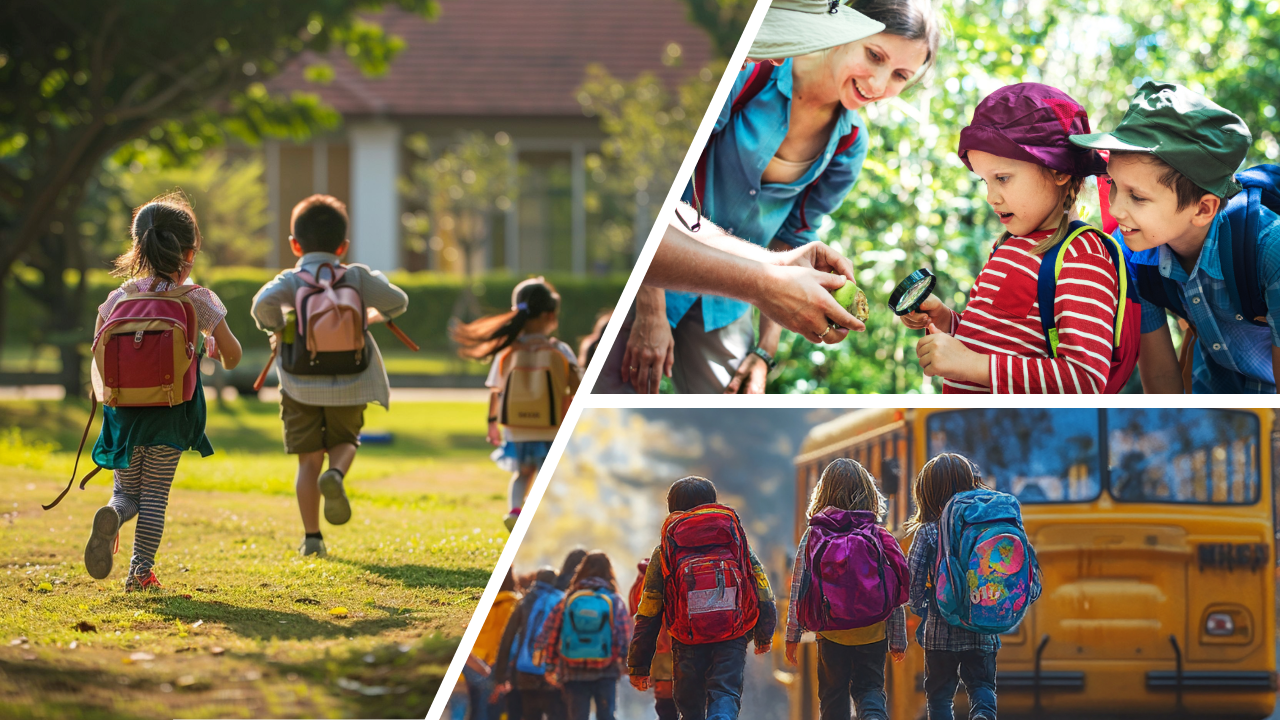
Beyond the Classroom: Why Field Trips Matter So Much
Every child is curious in their own ways. They learn by observing, asking questions, exploring new places, and experiencing the world around them. While classrooms provide the foundation for learning, educational outings complement them with valuable life lessons.
Read More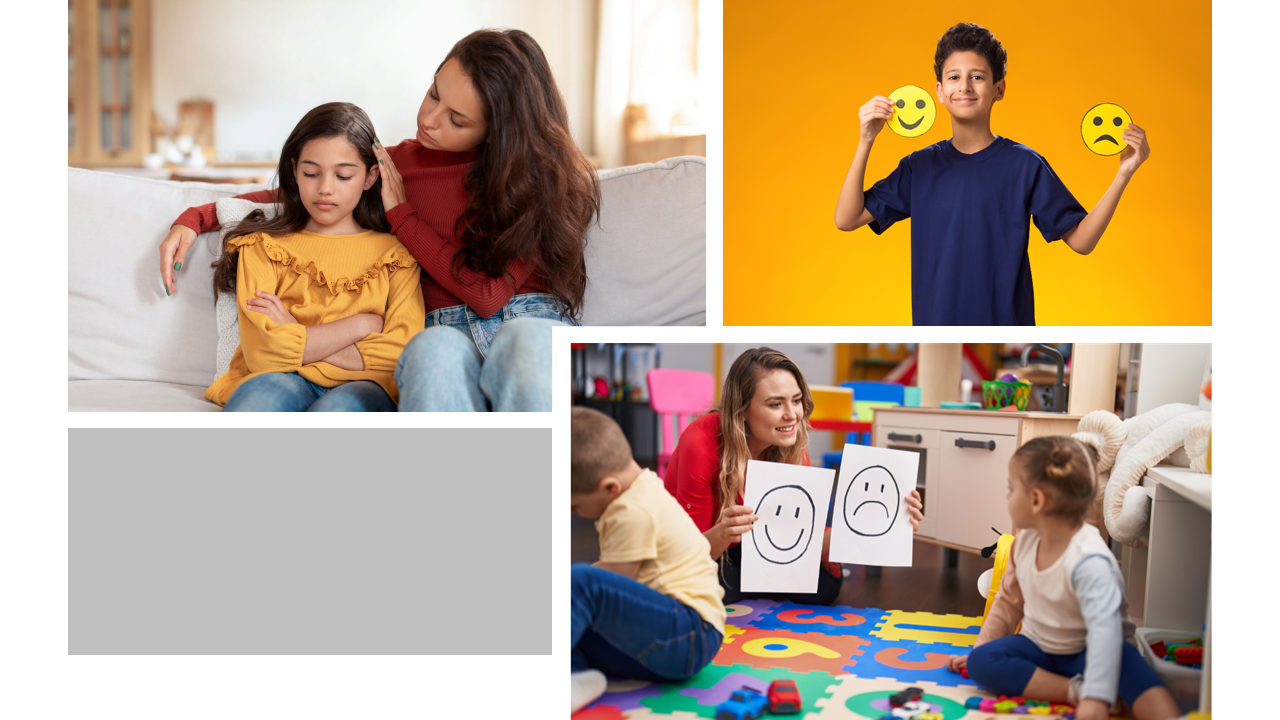
Emotional First Aid: Teaching Kids to Understand Their Feelings
Kids feel many emotional ups & downs. Kids are one of the innocent human creatures who have no masks, just real emotions. Since the preparatory age is the time when children learn rapidly and grow emotionally.
Read More
The Role of Routine in a Child's Emotional Security
In the earliest years of growing up, children are not just learning the alphabet and numbers; they are learning how the world works. And the very first lesson that the world can teach them is a simple one: I am safe here, and I know what comes next.
Read More
Play-Based Learning: Not Just Fun, But Fundamental
The pattern of learning has evolved. It's no longer only focused on academics; it goes beyond that. Especially learning for preparatory kids has unfolded many new ways. And from all, play-based learning is something every parent and school focuses on.
Read More
How Parents and Teachers Together Shape a Child's Growth
A child’s growth in the early years matters most, as it lays the foundation for their future life. Parent-teacher collaboration is the most important thing in a child’s development.
Read More
The Power of Storytelling in Early Learning
Stories shape us. Storytelling can impact anyone. Stories are a part of our culture that not only help us learn new things but also define our future. It would not be wrong to say that storytelling is an art. The art of storytelling is something everyone can’t possess.
Read More
Why Teacher-Student Relationships Matter in Early Years
The teacher-student relationship in the early years is both adorable and worth observing. Somehow, we all remember our first teacher, who held our hands to help us write better or
Read More